How Much to Spend on an Engagement Ring

September 28, 2026
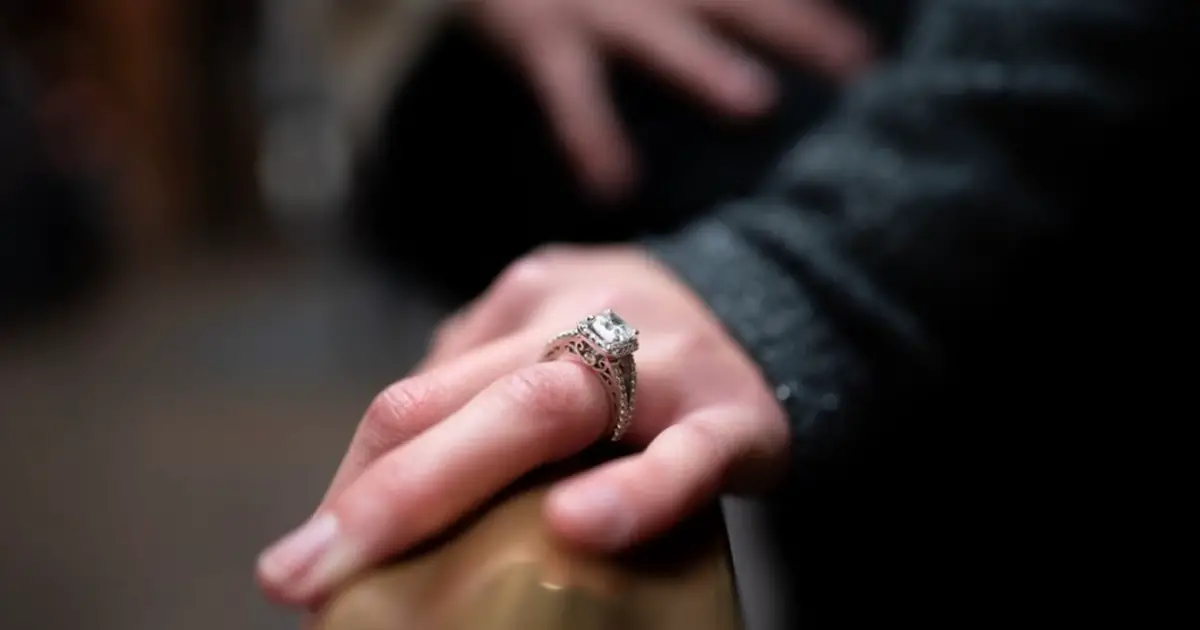
source: Pexels
The first real question most people hit when shopping for an engagement ring isn’t about cut or clarity, it’s how much they’re supposed to spend. And somewhere in the back of your head sits a number you never actually chose. Two months’ salary. Or was it three? Whatever it was, it feels official, the kind of figure a responsible person is meant to know.
Here’s the twist. That number was never advice. It came from an ad. Nobody sat down and worked out what a fair proportion of your income should go toward a piece of jewelry. A company that sells diamonds simply told you, and told you often enough that it started to sound like a fact.
Where the “Three Months’ Salary” Engagement Ring Rule Came From
The famous engagement ring formula traces back to a decades-long De Beers advertising push rather than to any financial wisdom. The idea was straightforward, if you tie the amount to a man’s earnings, spending rises automatically as wages do, and the ring becomes a measure of devotion instead of a purchase.
The figure crept upward over time. Early campaigns floated the notion of about a month’s pay. Later marketing nudged it to two months, and by the 1980s the version most people repeat today, three months’ salary, was in wide circulation. Each bump was a sales target dressed as tradition.
It worked partly because it filled a real gap. Most people buy a ring once and have no reference point for what’s normal. A tidy rule solves that anxiety in one line. The problem is that the line was written by the seller, and the seller had an obvious interest in the answer being large.
What People Actually Spend
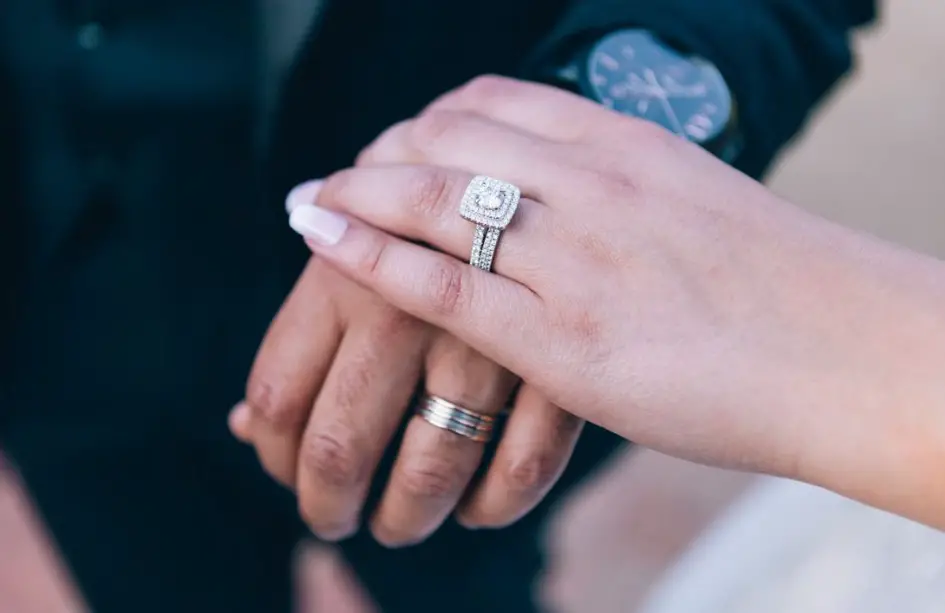
The real numbers are less tidy, and that mess is the whole point. Estimates of the average engagement ring cost scatter across a wide range depending on who’s counting and how. The Knot’s 2026 Real Weddings Study, which surveyed U.S. couples who married in 2025, put the average engagement ring spend at $4,600. Other 2026 estimates land higher, around $6,280 in one, and roughly $6,500 to $7,400 in another. Jewelers themselves often describe a typical spend of somewhere between $3,000 and $7,000.
Those figures disagree by thousands of dollars, and it’s worth sitting with that instead of reaching for a single headline number. There is no clean national average, only a spread shaped by region, taste, and who happens to be surveyed. A wedding-focused survey draws a different crowd than a credit-card issuer’s data.
What the spread does tell you is that the “three months” rule bears almost no relationship to reality. Plenty of people spend far less than a quarter of their annual salary and end up perfectly happy. Others spend more, and that’s their call too. The one thing the numbers do not support is a universal correct amount.
The Number That Actually Matters Is Yours
A formula tied to salary ignores everything that actually determines what you can afford. Two people earning the same amount can be in completely different situations, one carrying student debt and rent, the other with savings and no obligations. The same three months’ pay would be reckless for one and trivial for the other.
A better starting point is your own budget. Look at what you earn, what you owe, what you’re saving toward, and what a ring purchase would displace. Then decide what fits comfortably inside that picture. The ring is one line in a life that also includes a wedding, maybe a home, and the ordinary bills that don’t pause for a proposal.
Framed that way, the question stops being “what’s the rule” and becomes “what can I spend without regretting it in three months.” That’s a number only you can set, and it has nothing to do with a multiple of your paycheck.
What You’re Really Buying
There’s a second myth worth clearing up, the idea that a ring is an investment. Diamonds and gold hold sentimental weight, but resale rarely recovers what you paid, and a ring is not a financial instrument. Treating it as one usually just becomes another reason to spend more.
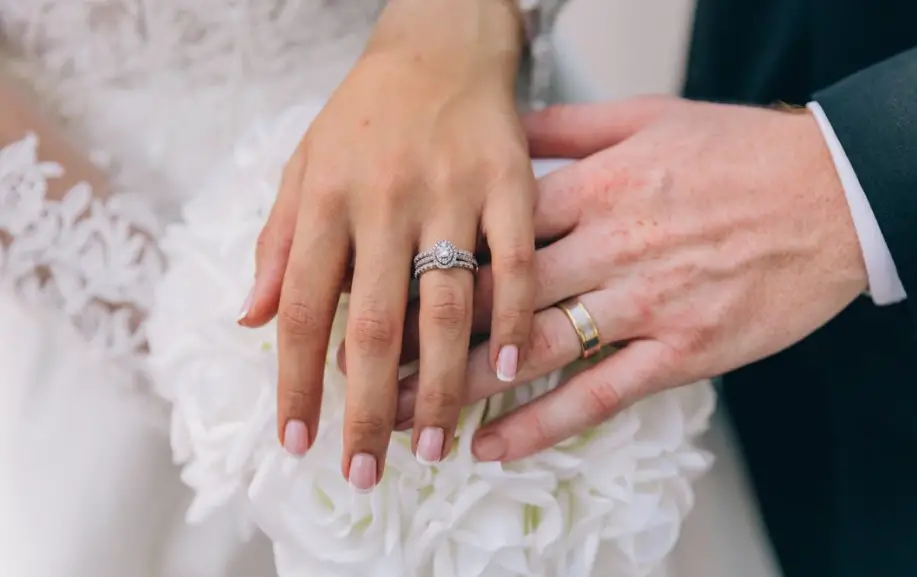
What you’re actually buying is a symbol and an object someone will wear for years. Its worth lives in the meaning and the fit, not in a future sale that most people never make. If you’re curious how much a ring signals on its own, it’s the same instinct behind reading what a ring worn on the pinky finger says, the jewelry talks whether or not it cost a fortune.
The healthiest budget is the one that still leaves you comfortable the month after the proposal. Decide your number before you walk into a store, not while a case of sparkling options is open in front of you, and let the ring answer to that figure rather than the other way around. The people who look back happiest tend to remember the moment, not the receipt.