Why Are Some Plane Window Shades Upside Down in Exit Rows?

September 26, 2026
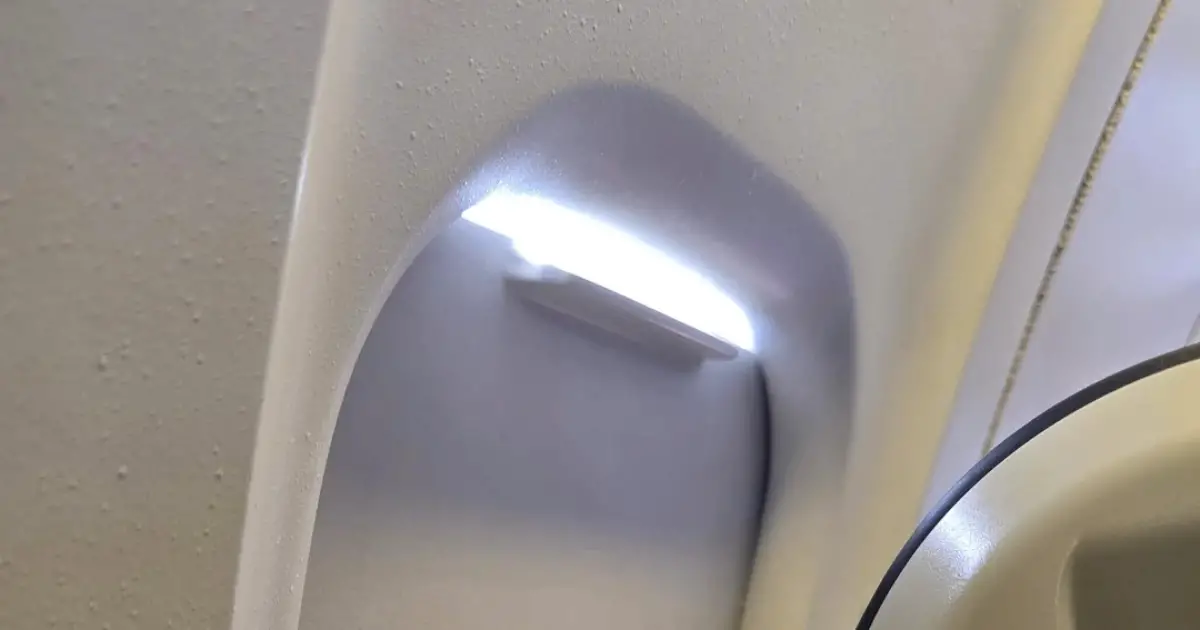
source: Riaris / Reddit
Why some window shades are upside down in exit rows is the kind of thing you only notice once, and then can’t stop noticing. You settle into your seat, reach for the shade, and it pulls the wrong way. The nearby window shades slide one direction. This one behaves differently. It isn’t a defect, and the cabin crew didn’t install it in a hurry. It’s a consequence of what that window actually is.
The Detail Passengers Keep Noticing in Exit Rows
The observation is simple. On a standard cabin window, the shade tucks away in a familiar spot and pulls down or up the way you’d expect. In an exit row, the orientation can look flipped, the track and pull sitting opposite to the rest of the row. Side by side, one shade seems to be doing the opposite of its neighbor.
This shows up on some planes, but not all of them. Orientation varies by plane model and exit design, so it isn’t a universal rule you can count on for every flight. The reason it happens at all comes down to where the window sits. On some planes, especially at overwing exits, engineers build the window and shade into the emergency exit hatch or door rather than a standard cabin sidewall panel.
Why the Window Shades Are Upside Down in Exit Rows
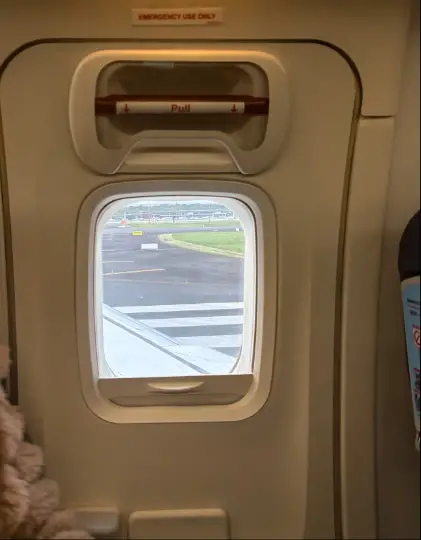
That distinction is the whole answer to why the window shades are upside down in exit rows. A regular cabin window consists of a small pane that engineers fit into the aircraft skin. On planes with a reversed shade at an overwing exit, engineers integrate the window into an operable hatch or door rather than a standard cabin wall panel. It is a piece of hardware first and a viewing window second.
Because the door is a larger, differently engineered structure, the shade mechanism has to work around it. The pane sits within a structure that also has to accommodate latches and other exit hardware, so the space available for a shade mechanism isn’t the same as around a standard window. On some overwing exit designs, engineers integrate the shade directly into the hatch, where space constraints can cause it to retract downward instead of upward and look “upside down” compared with nearby window shades.
The exact reason varies by plane and exit design, but the unusual shade direction results from the way manufacturers install the shade around the exit structure and its hardware. Separate FAA rules set the requirements for who can sit in an exit row and what responsibilities those passengers may have during an emergency.
What the Exit Row Actually Asks of You
The reversed shade is a good reminder of what an exit-row seat really is. The extra legroom that often comes with an exit-row seat also comes with a responsibility. If you sit there, you’re agreeing to help in an evacuation, which means being willing and physically able to operate the exit, follow crew instructions, and assist if needed.
That’s also why cabin crew ask exit-row passengers to confirm they understand, and why nothing can block the space around the door. Bags must be properly stowed and cannot interfere with access to the exit or emergency equipment. When the window is built into the exit itself, it isn’t just a view. It is part of an emergency exit that may need to be opened quickly.
So the odd shade can be a tell. When the shade sits in an overwing exit, that reversed pull marks a part of the plane designed for emergency evacuation. The view may look much like the row in front, but the hardware around it is different, and the shade is quietly announcing that the seat you chose is doing a different job.