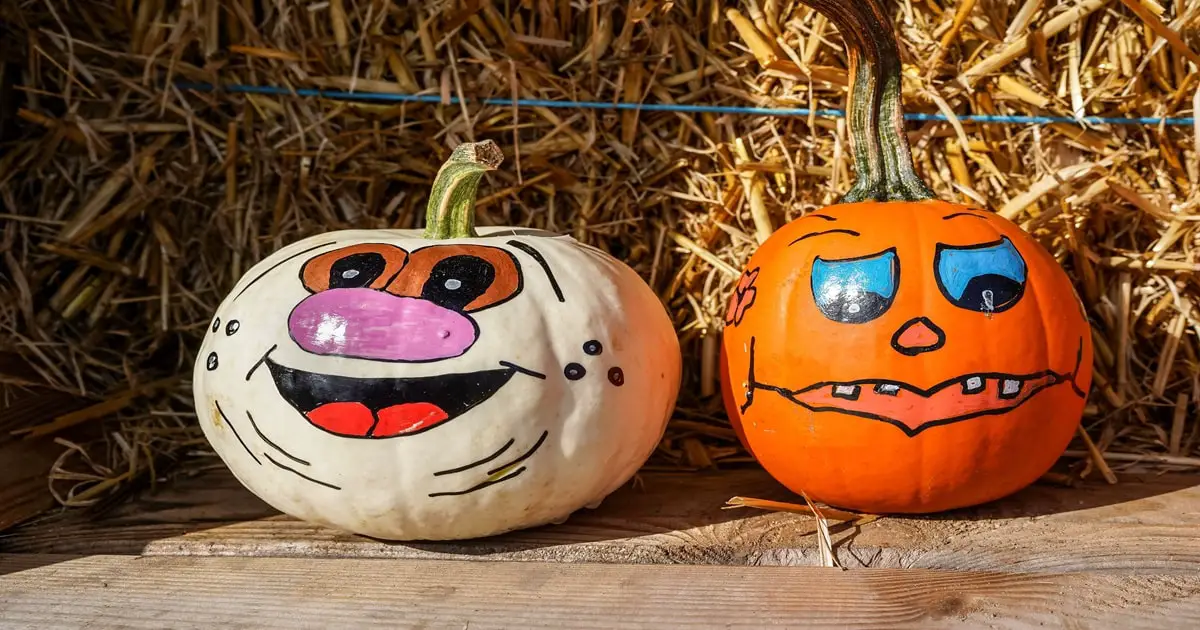
Painting pumpkins feels like the tidy, mess-free alternative to carving. For a few autumns I reached for the acrylics without a second thought. No knives, no scooping, no slimy newspaper on the kitchen table. The results look polished, the kids stay happy, and the whole thing takes an afternoon. But the paint that makes the pumpkin pretty is also what turns it into a small problem once the season ends. It is worth knowing before the brush comes out.
None of this means you should feel bad about a painted jack-o’-lantern on the porch. It just means a little forethought about where that pumpkin ends up saves you a mess later. It might also save a sick animal.
Why Painting Pumpkins Became So Popular
The appeal is easy to see. A carved pumpkin caves in and starts to rot within a week. A painted one holds its shape for the whole season. There are no sharp tools, so toddlers can join in. You can go as simple as a face in black craft paint, or as elaborate as a full galaxy design. Nothing looks quite as homemade-gone-wrong as a carving slip.
So painting won, especially for families with young kids. The catch is that most of us grab whatever craft paint sits in the cupboard. That is where the trouble starts.
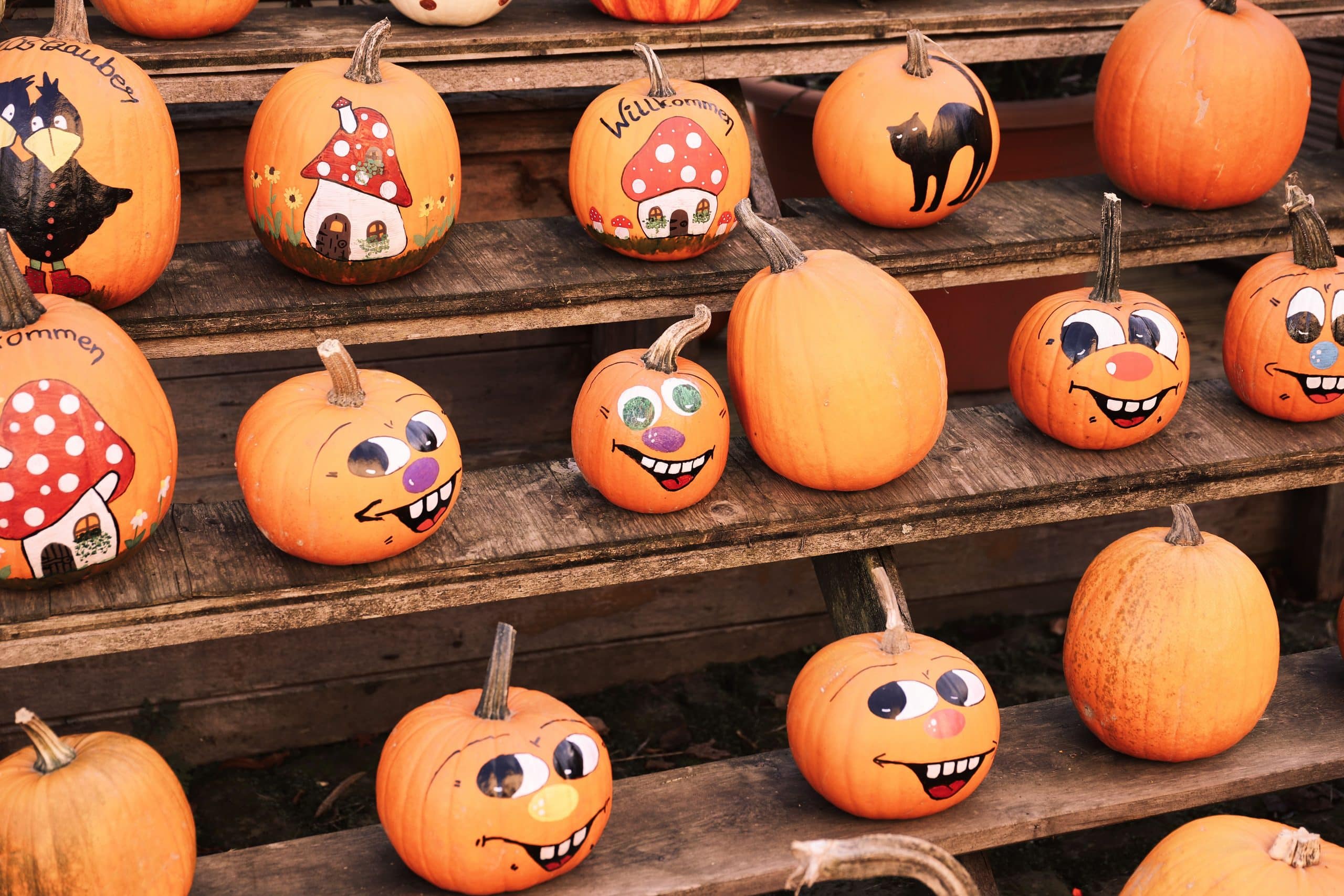
What the Paint Does Once Animals Get Involved
Here is the part the craft-store displays skip. Ordinary acrylic and craft paint are not food-grade, because they were never meant to be eaten. That is fine on a canvas. On a pumpkin, it matters, because pumpkins are food to a surprising number of animals.
Squirrels gnaw them. Deer will nibble a porch pumpkin overnight. A curious dog can take a chunk out of one left on the step. When the rind is coated in paint, the animal is eating paint along with the flesh. Nobody can tell you that one lick is fatal. The honest answer depends on the paint and the amount. But craft paint is not food. So keep painted rind away from anything that might chew it.
That is the quiet shift here: paint turns a plain pumpkin from a snack into a coated object that just looks like one. The animal cannot tell the difference, so the decision falls to you.
The Compost and Wildlife Problem After Halloween
A plain pumpkin has an easy afterlife. You can compost it, and the garden is better for it. A painted pumpkin cannot go into the compost unless someone scrubs or cuts off the painted layer first. Almost nobody does this. So it heads to the trash instead.
Many people like leaving whole pumpkins out in nature for deer and squirrels. But wildlife agencies generally discourage this, even for plain pumpkins. It can spread disease, upset animal digestion, and draw predators closer to homes. A painted pumpkin makes a questionable practice clearly worse. If you want to help wildlife, composting is the safer route, and composting needs the paint gone.
Safer Ways to Decorate a Pumpkin
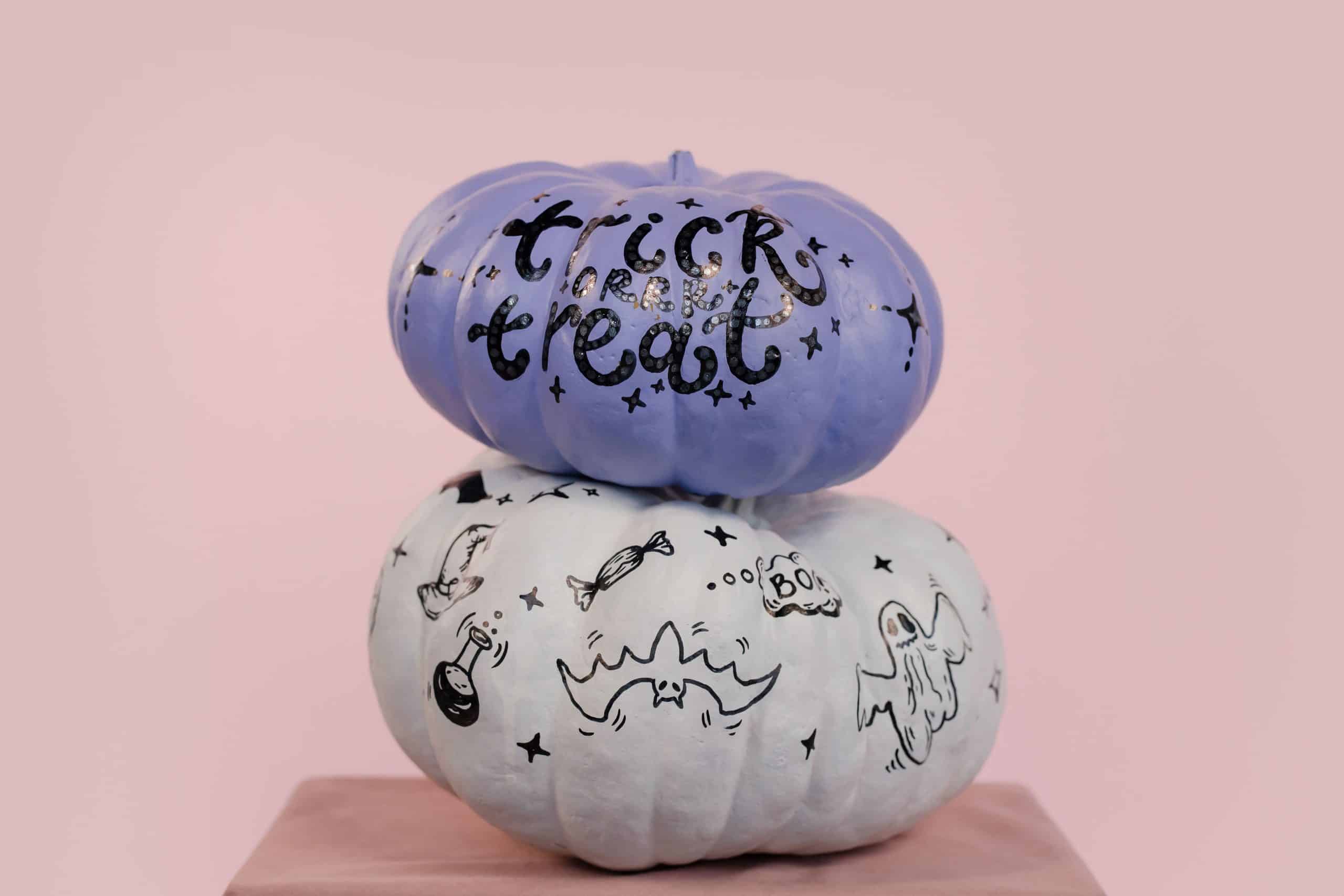
You do not have to give up decorating. If you want paint, reach for a water-based, non-toxic craft paint. Keep those pumpkins somewhere animals cannot reach. Then bin them rather than compost them. Better still, try no-carve ideas that peel off cleanly. Think ribbon, fabric, stick-on felt shapes, pushpin patterns, even a wrap of twine. The pumpkin underneath stays plain, which means it can go to the compost pile when November arrives.
The simplest rule is to match the method to the ending you want. Plain for the compost heap, decorated-but-contained for the trash. It is the same kind of thoughtfulness behind what a blue bucket or a teal pumpkin signals to other families on the block: a small choice that quietly looks out for someone else.
So before the brush comes out this year, ask one question: where is this pumpkin going to end up? Answer that first, and the painting takes care of itself.