

Grocery stores with no windows are so common that you probably stopped noticing the blank walls years ago. You walk in for milk. The produce pulls you in. You double back for something you forgot. Daylight catches you off guard when you finally step outside. Was it always this bright? The building you just left had no opinion on the matter, because it was built not to. That blankness is doing a job, and the reasons behind it turn out to be part psychology and part plain operations.
None of it is an accident, and the design reasoning behind those windowless walls is more deliberate than most shoppers assume.
Why Grocery Stores With No Windows Keep You Shopping
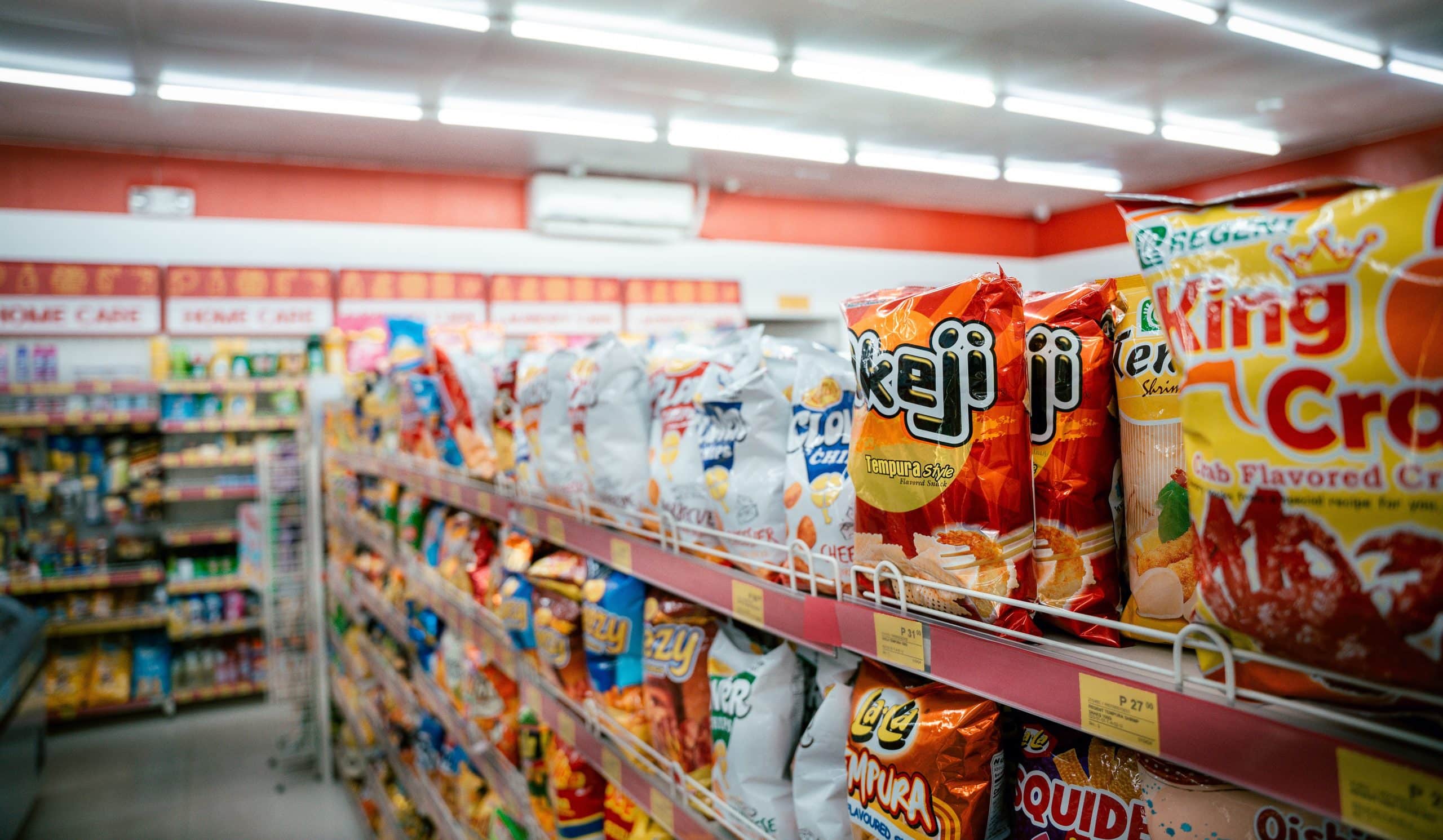
Start with attention. A window is a distraction. A view of the parking lot or street reminds you that the rest of your day is still waiting. Take it away and there is nothing to glance at but the shelves. Retail psychologists have long argued that an enclosed, evenly lit space keeps shoppers focused on merchandise, not the world beyond the glass.
Then there is time. Without a window, you lose the natural clock that daylight provides. You can’t see the sun dropping or the sky changing. Nothing nudges you to notice you’ve been browsing for forty minutes. The lighting stays the same at ten in the morning and six in the evening. That steady, timeless feeling is part of what keeps a cart filling up.
It is worth being careful here, though. Behavioral control is real, but it’s only one strand of the explanation. Treating it as the whole story overstates it. The practical reasons matter just as much.
Perishables, Temperature, and Wall Space
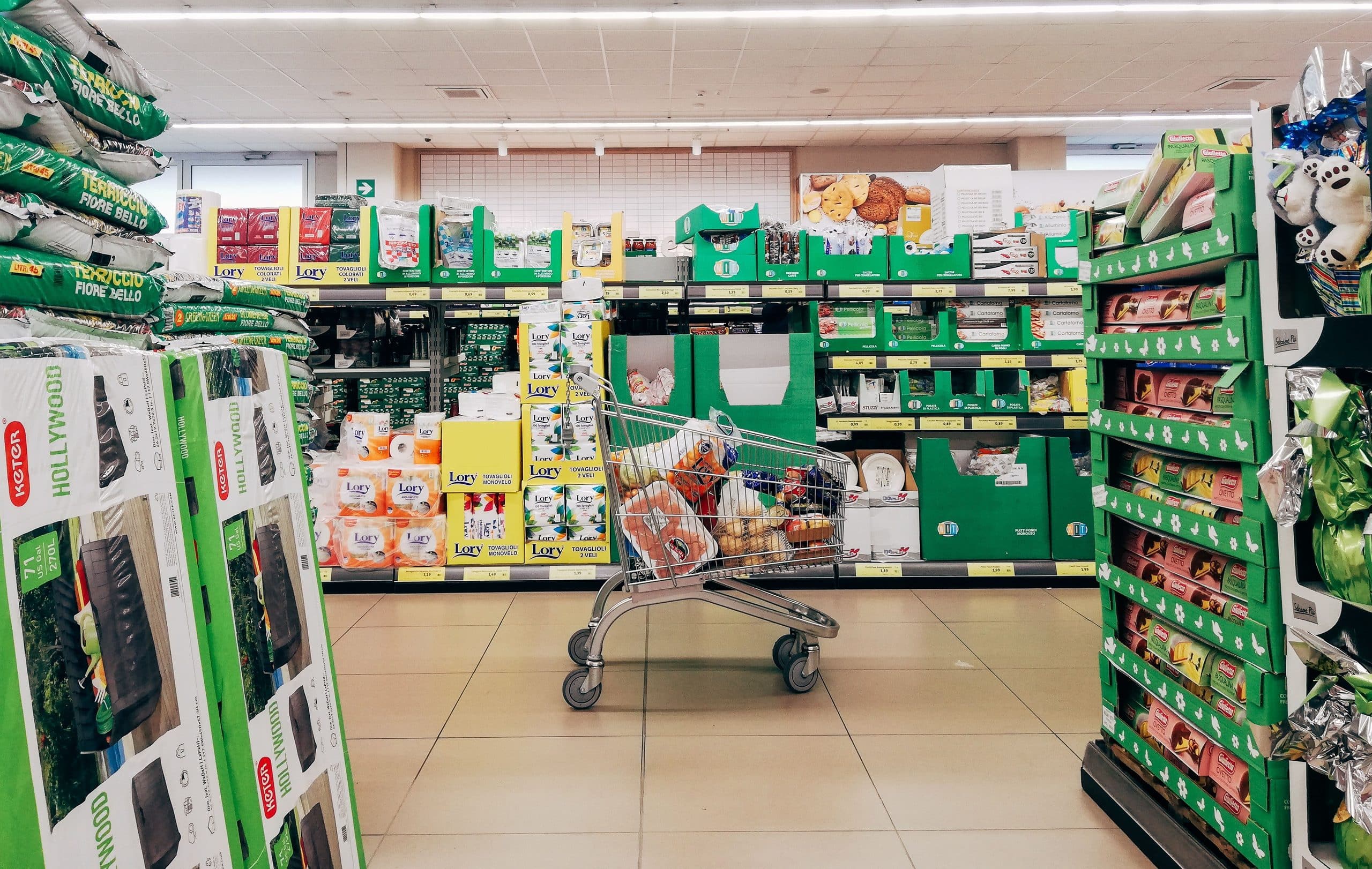
Glass is a problem for food. Sunlight brings heat, and heat is the enemy of produce, dairy, and anything that lives in a cooler. A wall of windows would pour warmth into a space that fights all day to stay cold. That warmth drives up energy costs and strains the refrigeration. Solid walls make climate control steadier and cheaper. The temperature stays the same whether it’s a heatwave outside or a gray afternoon.
Walls also earn their keep. Every stretch of glass is a stretch that can’t hold shelving, coolers, or a bank of refrigerated cases. In a business built on fitting as much stock as possible into a footprint, a blank wall offers usable space. A window is just a gap. Stores lean hard on that math, the same quiet engineering behind the surprising reason behind Walmart’s blinking shelf lights. Little about a store layout is left to chance.
So the windowless design solves several problems at once. It protects the food, saves money on cooling, and frees up wall after wall for product. The psychology rides along on top of decisions that would make sense even if no one cared about your attention span.
It’s Not a Rule, and Some Stores Break It
Here is the honest correction: this is prevailing practice, not law. No regulation requires a grocery store to be a sealed box, and plenty of stores let daylight in. Newer urban-format shops and natural-grocery chains sometimes sit behind big storefront windows, and the look is part of the appeal. “Most” is a tendency, not a mandate.
Trader Joe’s is the example people reach for, but the story there is less tidy than it sounds. Some Trader Joe’s locations feature windows or natural light, but this results from reusing existing architectural spaces (historic buildings, former banks, urban storefronts) rather than deliberate design strategy. Other Trader Joe’s stores are in windowless basements and interior mall spaces. The brand’s deliberate design choices focus on layout, footprint, and signage rather than natural light. The same instincts behind the reasons Trader Joe’s prices stay so low, rather than a strategy built around sunlight.
That variation is the point. The windowless store is a default because it solves common problems well, not because anyone is forced into it.
Once you know what the blank wall is doing, the whole layout reads differently. The cold cases line up against solid surfaces for a reason. The lighting never shifts for a reason. Your sense that time stopped near the cereal shows the design working as intended. Designers quietly removed daylight as you walked in, one plain wall at a time. You only noticed it on the way out.