If a host has ever refused to seat you until everyone arrives, the reason probably isn’t what you think. You give your name and say you need a table for four. Then comes the pause. Two of your group are still circling the parking lot, so you keep waiting by the host stand. It feels personal. It feels like you’re being made to stand there as a tiny punishment for your friends’ bad timing. In almost every case, the policy existed before you walked in. It has nothing to do with whether the host likes your looks.
It Isn’t About Being Difficult
The host isn’t sizing you up. The rule about full party seating exists on paper, or in the manager’s head. It exists long before your name lands on the wait list. It’s there to solve two very ordinary problems that play out on a busy night.
The first is spot-snagging. On a packed Friday, a half-group sometimes asks to sit early. They grab a prime booth and quietly hold it while the restaurant fills up around them. The second is the ripple effect of late arrivals. Someone says the rest are “two minutes away.” Twenty-five minutes later, the drinks turn warm and the kitchen has no idea when to start cooking. Both problems jam up the room for everyone else.
The Table Math Behind the Rule
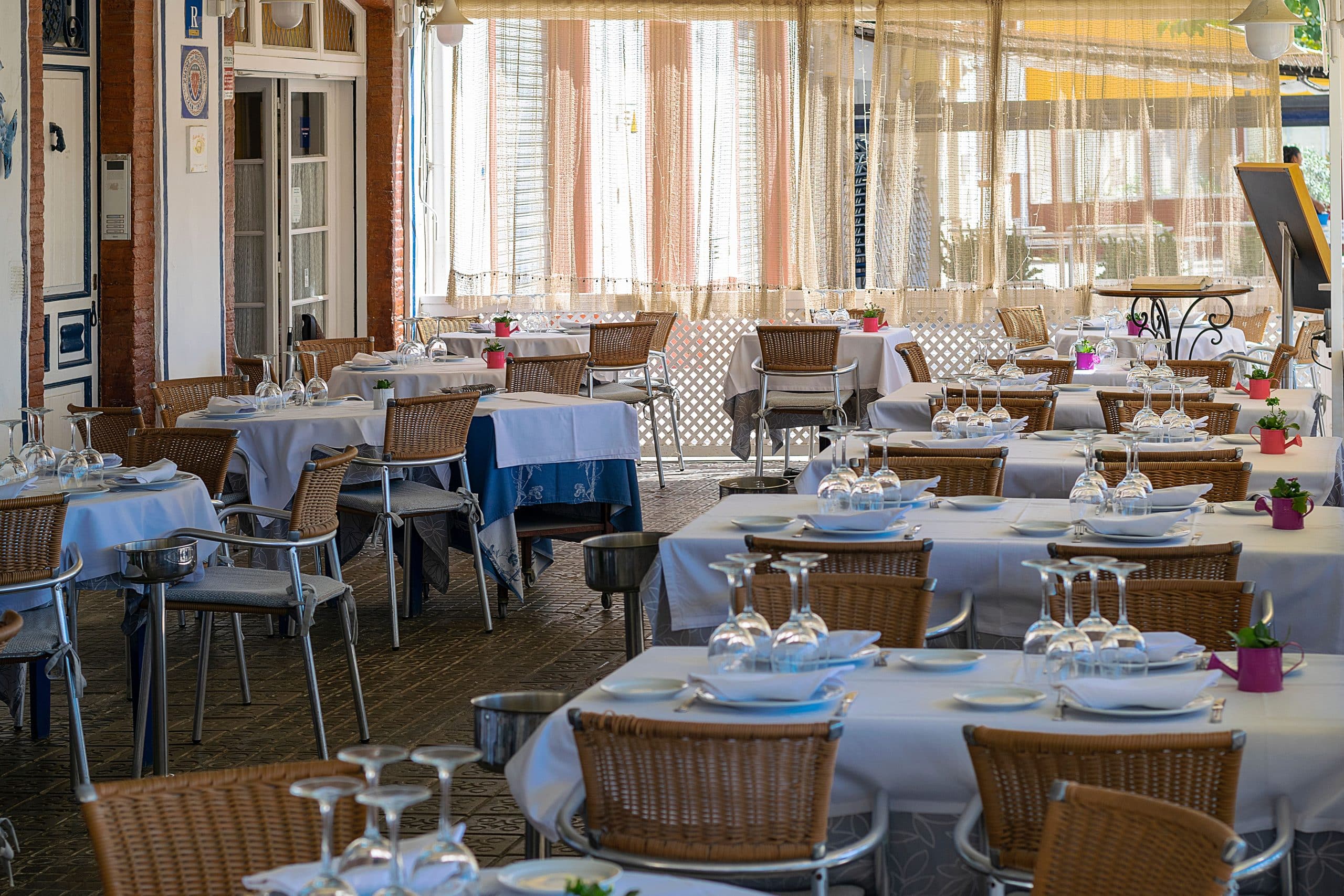
Here’s the mechanism, and it’s just arithmetic. A dining room only has so many tables. A restaurant’s night runs on turnover: seating a table, serving it, clearing it, and seating it again. A four-top tied up by two people waiting for the rest is a table doing half its job. It isn’t really serving the pair who sat down. It isn’t available to the party of four already standing on the wait list.
Multiply that by a few tables across a two-hour rush and the whole floor backs up. The wait list grows. The kitchen loses its rhythm because orders arrive in clumps, not a steady flow. People who booked for 8 o’clock still stand there at 8:20. Holding the table until the group is there keeps that chain moving. Much of the hidden logic of a dining room works this way, the same quiet efficiency behind why restaurant ice cubes have holes in them.
Why “Most of You” Is Often Enough
None of this means you’ll be stranded at the door until the last straggler shows. Plenty of places will seat an incomplete party when there’s open space and the room isn’t slammed. A quiet Tuesday rarely triggers the same caution as a fully booked Saturday.
Some operators even write down a threshold. One restaurant’s published help-center policy says it will seat a party once at least 75% of it has arrived, so three of your four can sit while the fourth parks the car. That figure is one venue’s choice, not an industry law. No universal rule exists here. The policy shifts from one dining room to the next, depending on how busy the night is and how many tables are open.
What It Means for Your Next Reservation
A little planning takes the sting out of it. If you know your group will trickle in, call ahead. Tell the host how the arrivals will stagger, so the reservation hold surprises no one. Give a realistic arrival time rather than an optimistic one. If you’re first to show, give the host a friendly heads-up about how many are still coming. That helps the host decide faster.
It also helps to remember what the hold actually protects. The same instinct keeps servers honest about what they’ll and won’t put on their own plates, which is its own story in the foods servers quietly avoid at their own restaurants.
So the wait by the host stand isn’t a snub aimed at you. The restaurant is guarding every table in the room. That includes the one opening up for the group behind you.