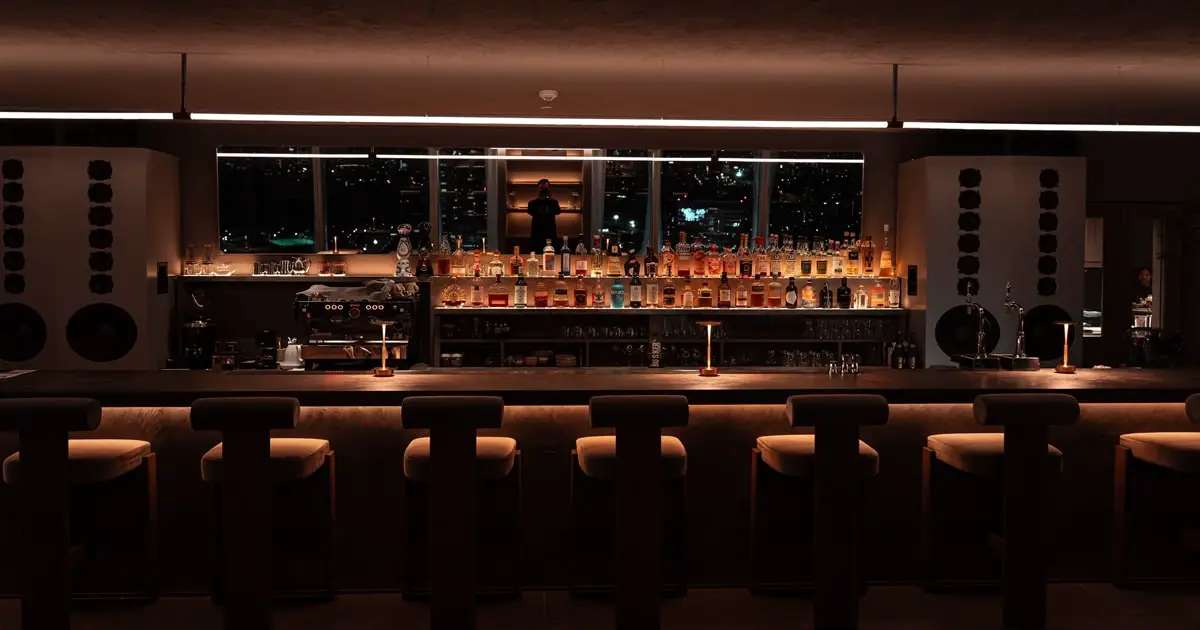
Dim restaurant lighting is something I never questioned. Then I found myself tilting a menu toward a tea light. I was trying to read the price of the risotto. The room was all shadows and soft gold, lovely to sit in, nearly impossible to read in. And that, it turns out, is not a bug. The low light does a job, several jobs actually. Most of them have nothing to do with helping me find the appetizers.
It Starts With How the Lighting Makes You Feel
Warm, low lighting reads to most of us as comfort. It softens faces and hides the clutter at the room’s edges. It shrinks a big space down to the small circle around your own table. You relax, you lower your voice a little, you settle in.
That mood is the actual product. A bright, even wash of light tells your body it is daytime and there is somewhere to be. A warm, dim glow tells it the opposite, that this is a place to linger. Restaurants lean into this on purpose, because dining atmosphere is not a byproduct of the meal. It often is the meal, or at least a large part of what you remember afterward. The food gets credit the lighting quietly earned.
Airlines use a version of the same trick, which is part of why airlines dim their cabin lights at certain moments. Lower the light, change the mood, change the behavior.
Why Dim Restaurant Lighting Is Also a Business Decision
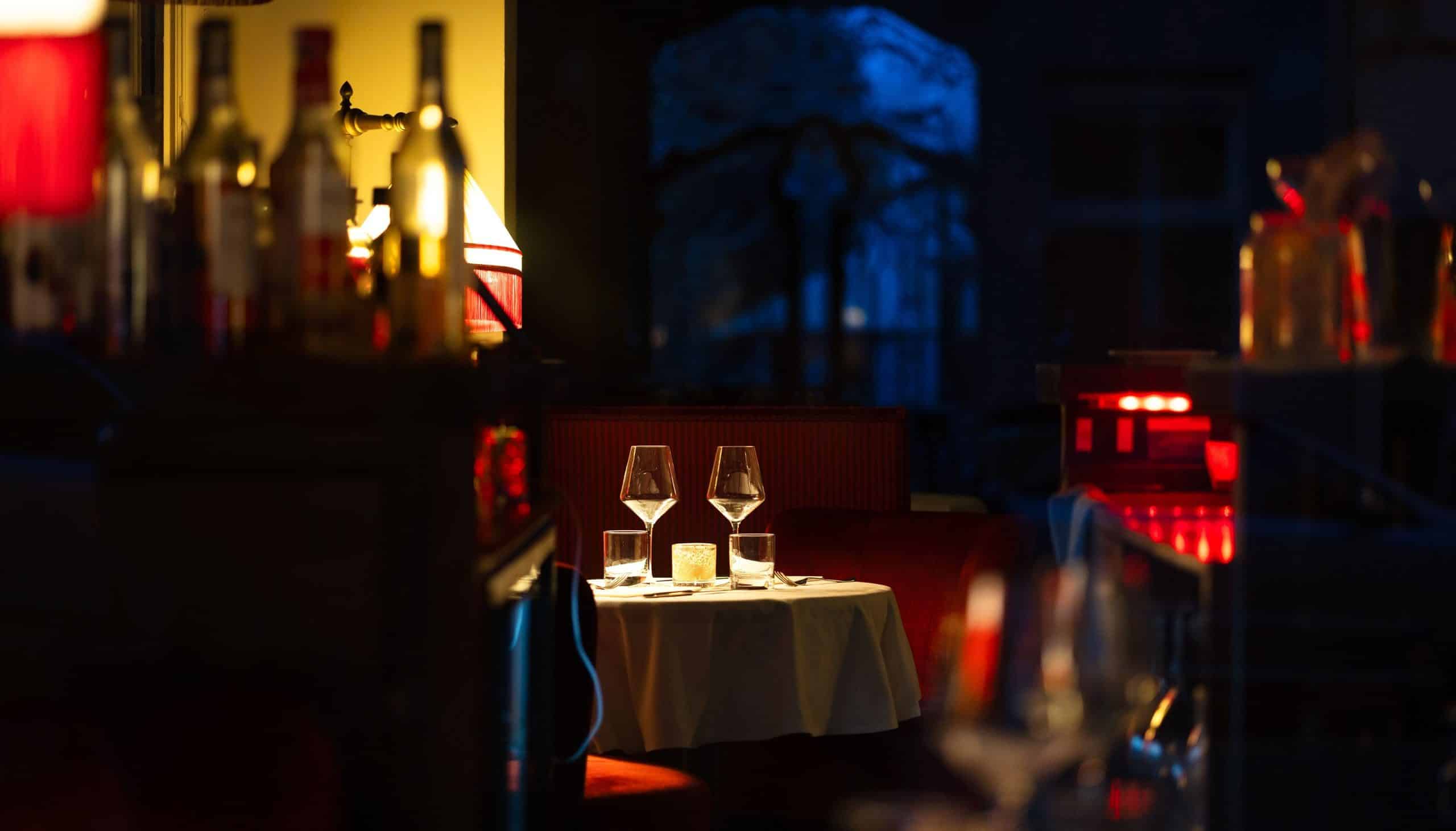
There is a commercial layer under the romance, and it is worth being honest about it. A relaxed guest who feels no rush might stay for another course. They might linger over a second glass of wine. Warm lighting supports that unhurried mood, and an unhurried mood tends to be a more generous one.
But the effect is subtler than the usual claim. Dim lighting does not reliably increase what any single customer spends in total. Some research found ambient light alone makes little difference to the final bill. What it does seem to shift is what people choose. One well-known study found diners in a softer, dimmer setting ordered meals with noticeably fewer calories. This suggests the room nudges the choices on the plate more than the final bill.
There is a trade-off, too. Every table that lingers is a table that cannot be turned over to the next party. A restaurant that wants you to stay is making a quiet bet that your extra order is worth more than the seat.
The Brightness Scale, From Fine Dining to Fast Food
Here is the quick heuristic, and it holds up almost everywhere. The dimmer the room, the pricier the meal is likely to be. Candlelight and warm lighting signal that you should slow down. They show someone planned the restaurant’s ambiance.
Fast-food interiors run in the exact opposite direction. They are deliberately bright, sometimes almost harshly so. That brightness is a design choice, just like the booth that is slightly too firm. Bright, cool light keeps mental alertness high and makes a space feel efficient rather than cozy. It says eat, enjoy, and move along. The goal there is table turnover, not lingering. Fast-food brightness and fine-dining dimness are two sides of the same calculation.
It is the same behind-the-scenes logic that explains the holes in restaurant ice cubes, small operational decisions you were never meant to notice.
A Short History: When Darkness Meant Trouble
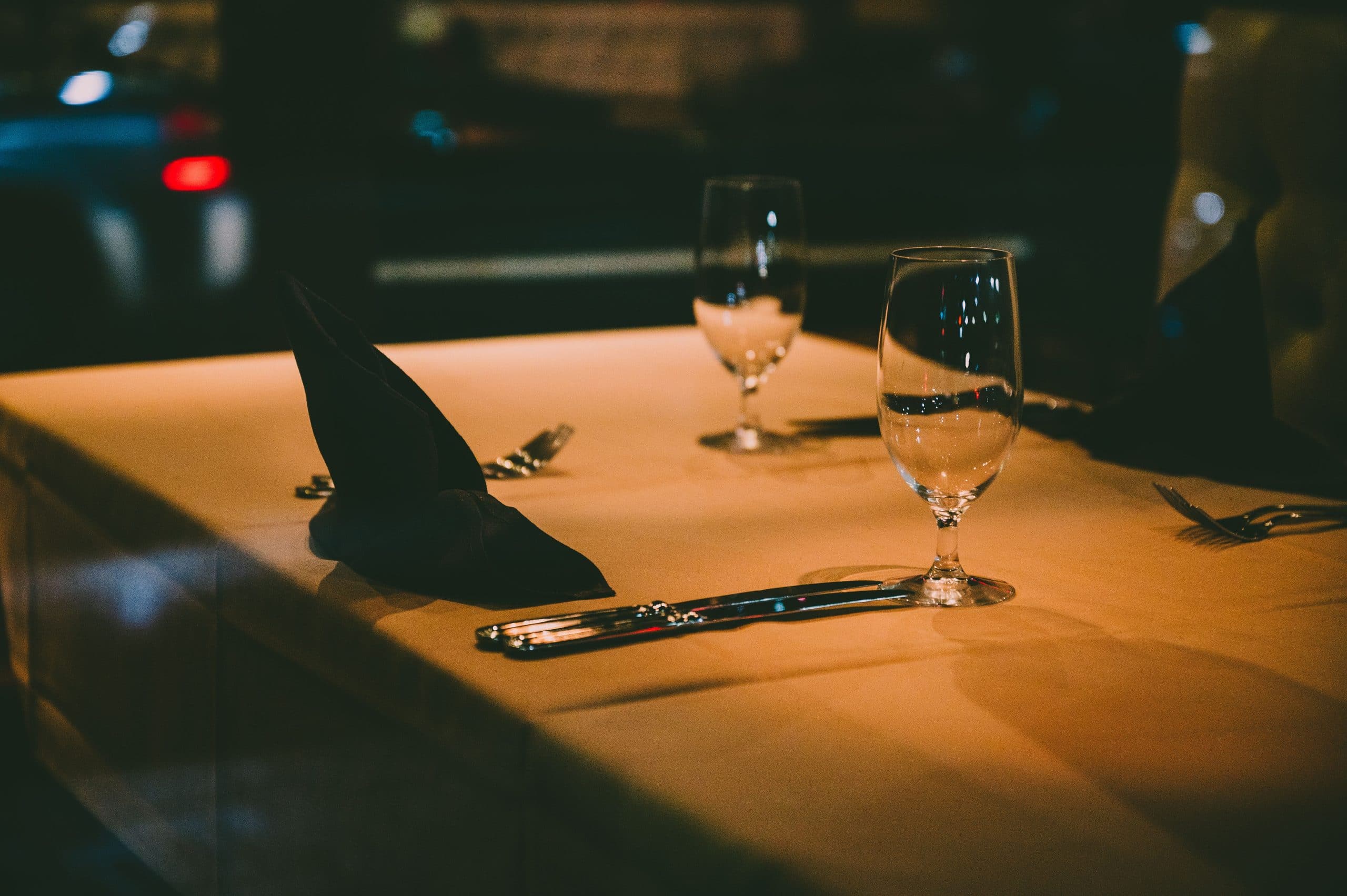
The strangest part is that this reading of dim light is fairly recent. In the nineteenth century, a dark eating place did not signal luxury at all. The poorly lit room suggested a disreputable spot, somewhere respectable people would avoid, somewhere with reason to hide faces in shadow.
Somewhere between then and now, the meaning flipped. Dim stopped reading as something to hide and started reading as something to savor. The same low light once warned people away. Now restaurants sell it as intimacy and occasion. That is a remarkable reversal for a lighting choice.
So the next menu you struggle to read is telling you something before you order a thing. The lighting is reading you a price. Glance up at the fixtures on your way in. Note how warm and low they are. You can guess the bill before anyone hands you a wine list.