What the Star Symbol on an Ambulance Means

September 26, 2026
source: Pexels
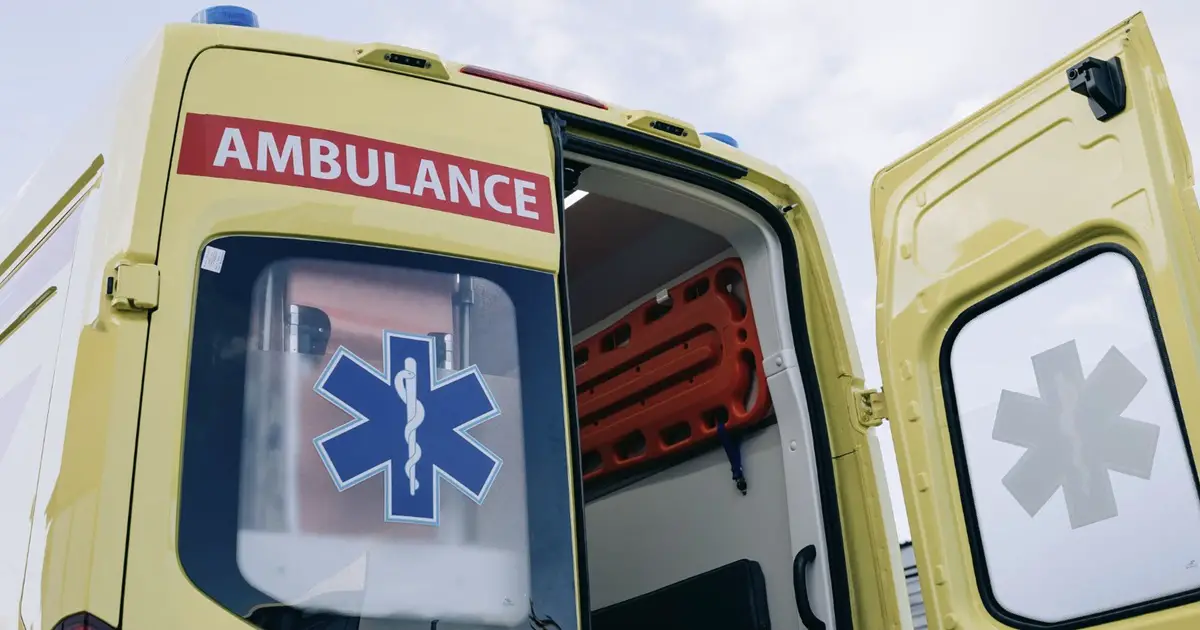
The star symbol on an ambulance is one of those details most people pass thousands of times without ever reading it. It has a name, the Star of Life, and it is not there for decoration. Every one of its six points was assigned a specific job, and the shape at the center is a piece of ancient medical symbolism that gets mistaken for something else all the time. Look once with that in mind and a familiar blue emblem turns into a small instruction manual.
This is a symbol that quietly tells you a vehicle, a uniform or a bag belongs to emergency medical care.
The Star of Life Is Not Just Decoration
The blue six-pointed star marks emergency medical services, the people trained to deliver them, and the equipment used to do it. When it appears on a rig or a paramedic’s sleeve, it is signaling qualified EMS rather than a general medical presence.
The Star of Life design dates to 1973 and it is credited to the National Highway Traffic Safety Administration. Leo R. Schwartz, Chief of the EMS Branch at NHTSA, modified a pre-existing symbol and assigned meanings to its six points in 1975, rather than designing the symbol from scratch. NHTSA officials deliberately chose the color and six-bar shape rather than sketching the design at random. Each bar carries meaning, which is the part almost nobody notices when the vehicle goes past. Once you know that, the ambulance star stops being background scenery.

What the Star Symbol on an Ambulance Actually Stands For
The six points are not just a pleasing shape. Each bar stands for a stage in the chain of emergency medical care, in the order it happens. The first is detection, the moment someone recognizes an emergency is underway. The second is reporting, the call that gets help moving.
Then comes response, the crew and vehicle heading out. The fourth point is on-scene care, the treatment that begins where the patient is found. The fifth is care in transit, the work that continues in the moving ambulance rather than pausing until arrival. The sixth is transfer to definitive care, the handoff to a hospital or facility equipped to take over.
Read that way, the star is a map of the whole system. It traces a patient’s path from the first sign of trouble to the doors of a hospital, one point at a time.
The Snake at the Center, and What It Is Not
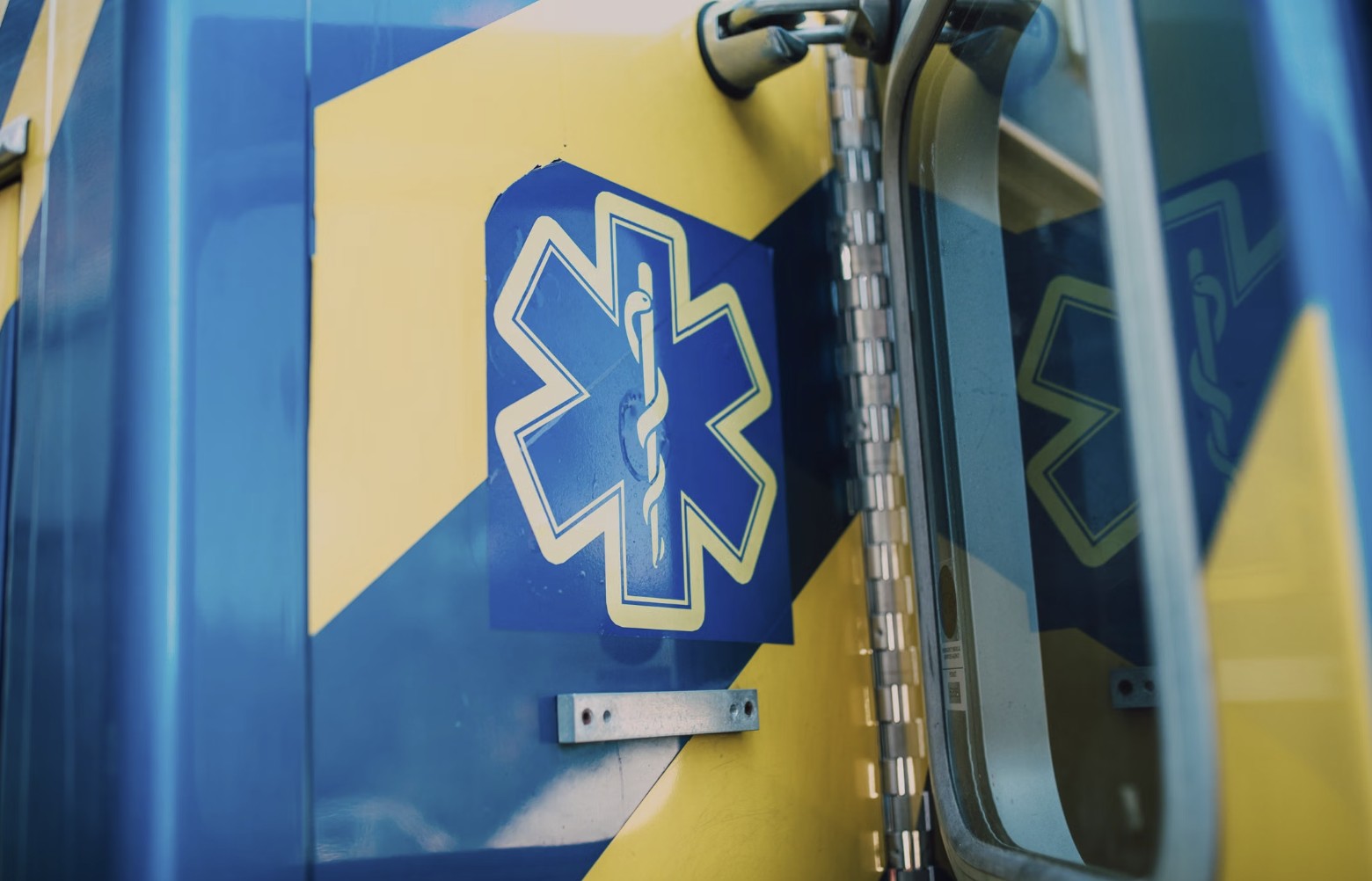
Inside the star sits a single serpent wrapped around a staff. That is the Rod of Asclepius, named for the Greek god associated with healing and medicine. One snake, one plain rod, nothing else.
This is where the confusion tends to start. The Rod of Asclepius is often mixed up with the Caduceus, a different symbol that is usually depicted with two snakes and a pair of wings. The Caduceus has its own separate history and is sometimes used as a general medical shorthand, but it is not the emblem at the heart of the Star of Life. The one on the ambulance is the single-snake staff, the older healing symbol, and the distinction is worth getting right.
Where You’ll See It, and Where the Rules Differ
Beyond ambulances, the emblem turns up on EMS uniforms, medical equipment and personnel certifications, all pointing to the same thing, that what you are looking at belongs to emergency medical care. It is a marking with an assigned job, much like a gold star on a license plate quietly carries its own meaning for those who know to read it.
What is not uniform is how the emblem is displayed and legally protected. Use and regulation vary by country and jurisdiction rather than following one worldwide standard, so the rules around who may show it are not the same everywhere. The same is true of many public markings, including a pink traffic sign you might spot on the road.
The next ambulance that passes will still be a blur of blue and white. The difference is that the star on its side is no longer just a shape. Six points, six jobs, one snake on a staff, all of it there for anyone who bothers to look closely.