Why Orange Lines on the Highway Replace the Usual Ones

September 22, 2026
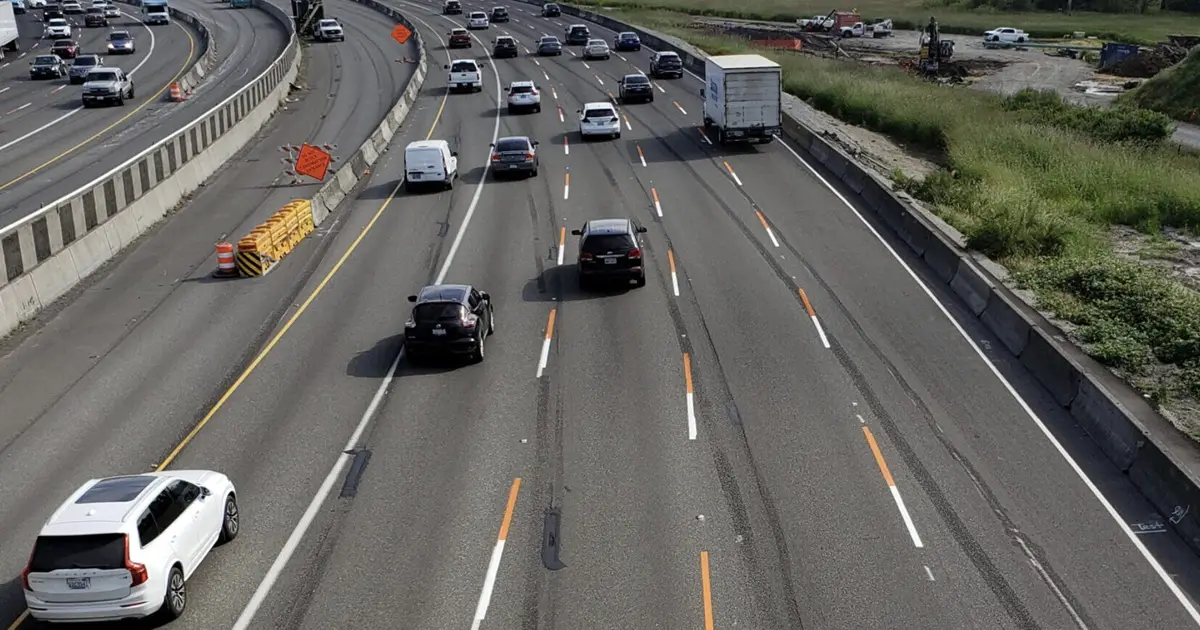
source: Washington State Department of Transportation (WSDOT), via Washington State Standard
Orange lines on the highway tend to show up right when you least expect them, usually as you round a bend on the freeway. At that moment, the familiar white and yellow stripes give way to a bright orange path running at an odd angle. Your eyes register it half a second before your brain does. It looks wrong, like someone painted over the road in the wrong colour. However, it isn’t a mistake. Those orange lines are doing a specific job, and they’re asking something of you.
Why Orange Lines on the Highway Replace the Usual Ones
The short version: where they’re being used, orange lines indicate a temporary traffic pattern. In the United States, road markings generally follow the Manual on Uniform Traffic Control Devices. This is the federal rulebook that governs traffic control devices, including those used in work zones. Orange pavement markings, however, are not a standard nationwide pavement-marking colour. They have been tested under FHWA-approved experiments in work zones to help distinguish temporary lane markings from permanent ones.
So when a crew repaints a stretch of road or moves traffic around a project where these experimental markings are being used, the old white and yellow lines may no longer show the route drivers should follow. Instead, permanent markings may be covered or removed. Meanwhile, temporary pavement markings guide drivers along the path intended for the work zone.
Worth a note on standards: the long-established regulatory colours are yellow, for traffic moving the opposite way, and white, for traffic moving the same way as you. Orange pavement markings are newer ground and have been used experimentally in certain work zones rather than as an established nationwide standard like the other two. Where they are being tested, orange helps drivers distinguish the temporary traffic pattern from the normal one.
How to Read Them, and Why the Colors Contrast
Caltrans, California’s state transportation department, has explained that the orange-and-white contrast is deliberate. Speaking to KTLA, the agency said the pairing is built to increase driver awareness and improve safety for both motorists and the road crews working a few feet away. The brightness is the point. It’s meant to catch your eye exactly when muscle memory would otherwise take over.
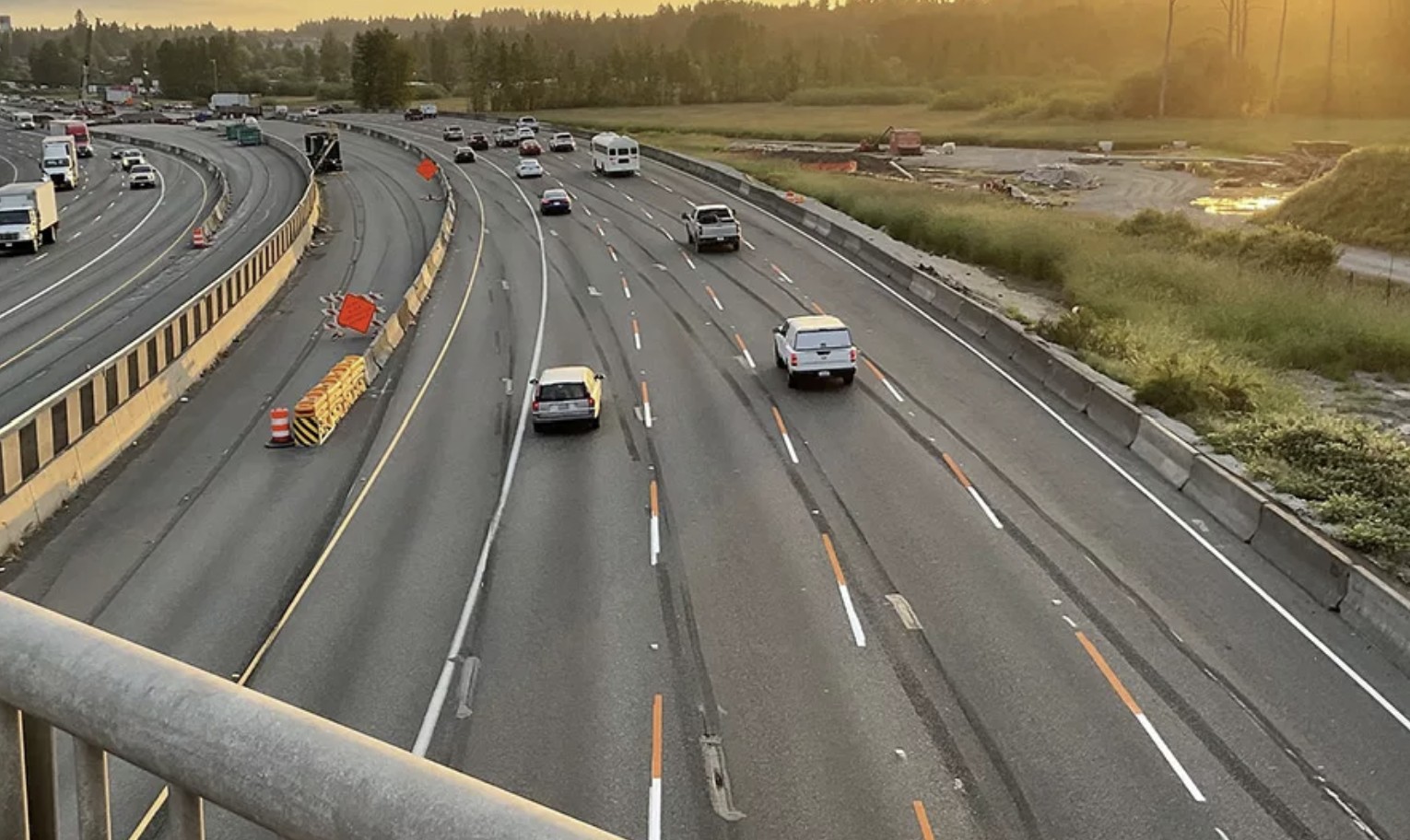
Reading them is mostly about trusting the temporary path over the old one. In a lane shift where orange markings are being used, the orange lines may curve you left or right around a closed section. You’ll often see permanent or previously used lines nearby, sometimes crossing the temporary path at an awkward angle. That can be genuinely confusing at speed. Consequently, follow the temporary traffic-control markings and signs directing you through the work zone.
It helps to keep the base colour code in mind while you do. Yellow still marks the divide between you and oncoming traffic. White still separates lanes heading your direction. In work zones where experimental orange pavement markings are being used, orange helps distinguish the temporary route from the normal pavement markings. If you’ve ever wondered what other colour signals mean, the meaning behind a pink traffic sign works on a similar logic.
What You’re Actually Being Asked to Do
Once you encounter orange pavement markings in a work zone where they’re being used, the response is straightforward. Slow down. Expect the path to change, sometimes more than once through a single stretch. Watch for workers, parked equipment and barrels close to the driving lane. And don’t lean on your memory of this road, because the whole reason for the temporary markings is that the road isn’t behaving the way it usually does.
Work-zone speed limits and the fines for breaking them vary from state to state, and many carry heavier penalties when crews are present. So read the posted signs rather than guessing. None of this needs to feel alarming. A work zone is a normal, well-marked situation, and the markings exist so you can move through it calmly. Colour signals like these turn up in odd places, too. For example, this happens when a traffic light glows blue instead of green.
So next time you encounter orange lines on the highway, take them as a sign that you’re entering a temporary traffic pattern being marked differently from the normal roadway. The layout you memorised may no longer apply, and road work may be taking place ahead. Therefore, follow the temporary markings and posted signs. Ease off the pedal, and pay attention to the route through the work zone.