

Everyone knows the drill for blowing out birthday candles: a quick breath, a silent wish, and a small cloud of smoke over the frosting. The ritual is so familiar that almost nobody stops to ask where it came from. The answer runs back further than the cake in front of you. It is a little stranger than most people assume.
You keep the wish to yourself. You aim for all the flames in one go. You let the smoke drift up before anyone cuts a slice. Nobody teaches this. It just passes down, year after year, as if it were always there.
The Ancient Story Behind the Flame
The most repeated origin story points to ancient Greece. As the tale goes, worshippers baked round cakes for Artemis, the moon goddess. They topped them with lit candles so the cake glowed like the full moon. The rising smoke was said to carry messages and prayers up to the heavens where she lived.

It is a lovely picture, and the Greeks really did offer lit cakes to Artemis. The problem is the leap from there to your kitchen. Historians who have looked at it find no direct evidence tying those religious offerings to the modern tradition. The Artemis version gets classified as folklore or popular speculation, not documented history. So enjoy the story, but hold it loosely. It is the account people love to tell, not the one the record supports.
How Germany Made It a Birthday Thing
The firmer trail leads to 18th-century Germany and a children’s celebration called Kinderfest. Families lit candles on a cake at dawn on a child’s birthday. They kept them burning through the whole day, replacing each one as it guttered out. They finally ate the cake in the evening.
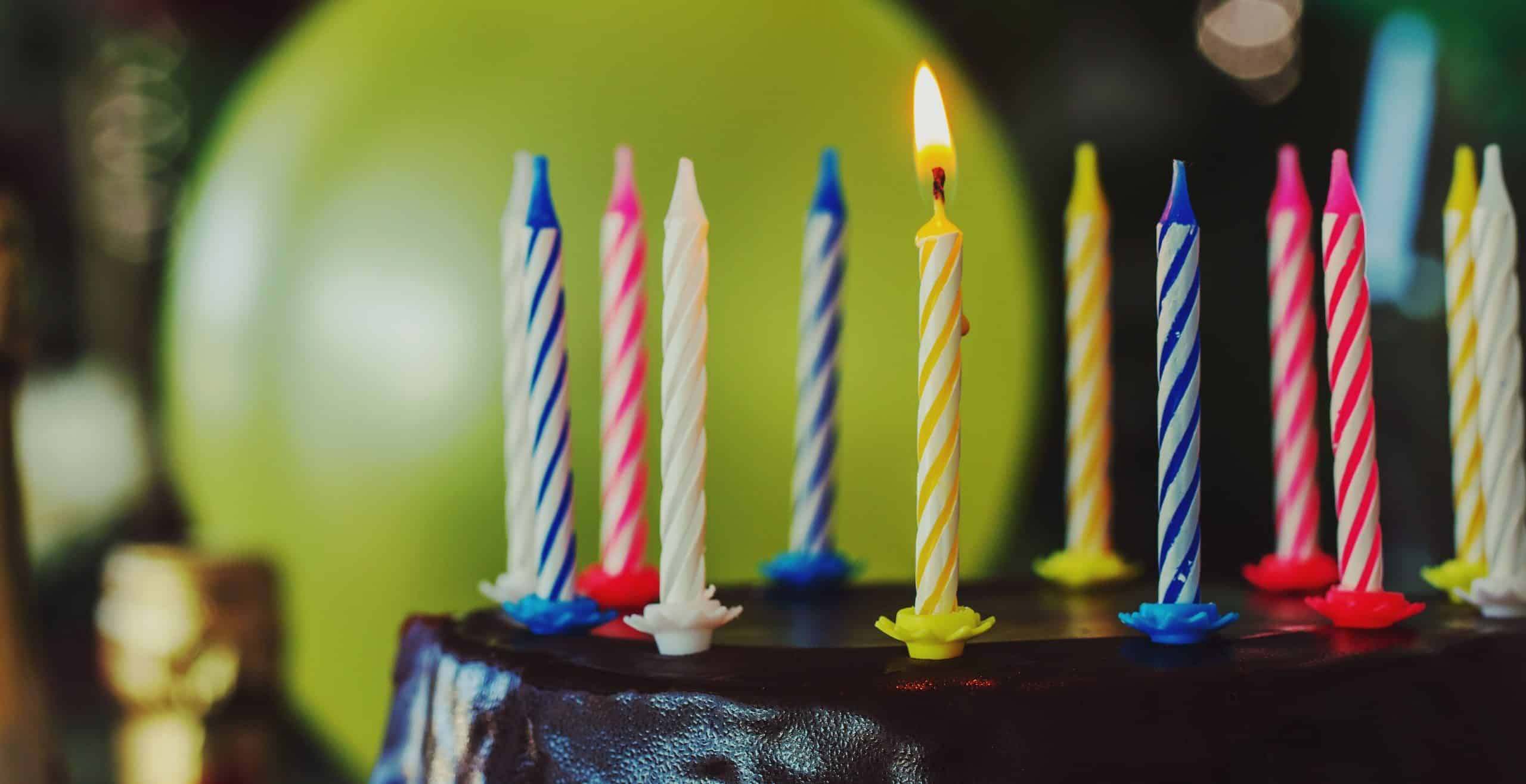
The number of candles carried meaning too. There was one candle for each year the child had already lived. An extra candle marked the year still ahead, a quiet nod to a long life. That custom of a candle for every year is the part that survived almost unchanged. If you want the single clearest ancestor of today’s cake, this German birthday tradition wins: scholars have documented it better than any moon goddess, and it matches our cake far more closely.
Why We Blow Out Birthday Candles and Make a Wish
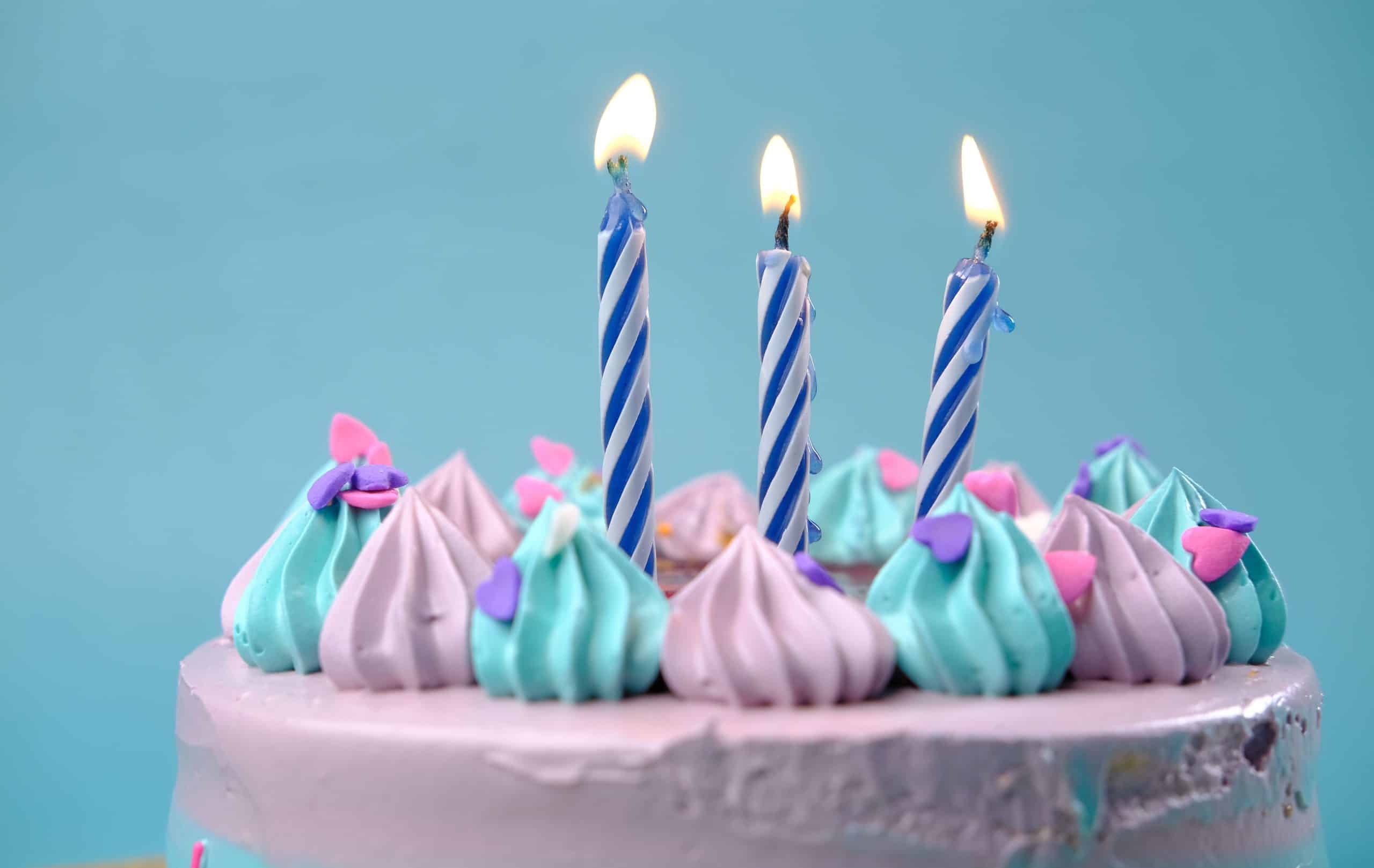
So where does the wish come in? When you blow out birthday candles and make a wish, you lean on an old, widespread idea. Smoke drifts upward and carries something with it. This belief, that smoke ferries prayers or wishes toward the heavens, appears in spiritual traditions worldwide. That is why it feels so natural here.
Some accounts link that belief to the silent wish: people believe a spoken wish stays earthbound, while an unspoken one rides the smoke upward. Historians treat that link as folklore rather than settled fact, so there is no official rulebook. Still, almost everyone follows the same unwritten rule, which is a kind of proof of how deeply it has taken hold.
What the Tradition Means Now
The superstition has mostly faded, yet the gesture has not. People who do not believe smoke carries anything anywhere still close their eyes. They still pause and refuse to say the wish out loud. The ritual outlived the reasons behind it.
Part of why it stuck is that it works as a marker. The candles count the years out loud, the room goes quiet, and for a second the birthday belongs entirely to one person. That is also why we build so much of the day around the cake itself, a question worth its own detour into why we eat cake on birthdays in the first place.
Strip away the moon goddess and the German dawn. One thing stays constant across every version: the small, held breath right before the flames go out. The belief that started it has mostly gone. The pause remains.