Solve the Riddle: “A Man Rides Into Town on Friday”

October 7, 2026

source: Unsplash
A man rode into town on Friday, stayed three days, then rode out on Friday, and that single sentence has been quietly breaking people’s brains for years. Read it once and it sounds like a mistake, or a typo, or a puzzle with a piece missing. Three days after Friday lands you on Monday, so how does anyone leave on Friday again? The answer is far simpler than the calendar math everyone rushes toward. In fact, the whole riddle hinges on one word being read the wrong way.
The Riddle, Word for Word
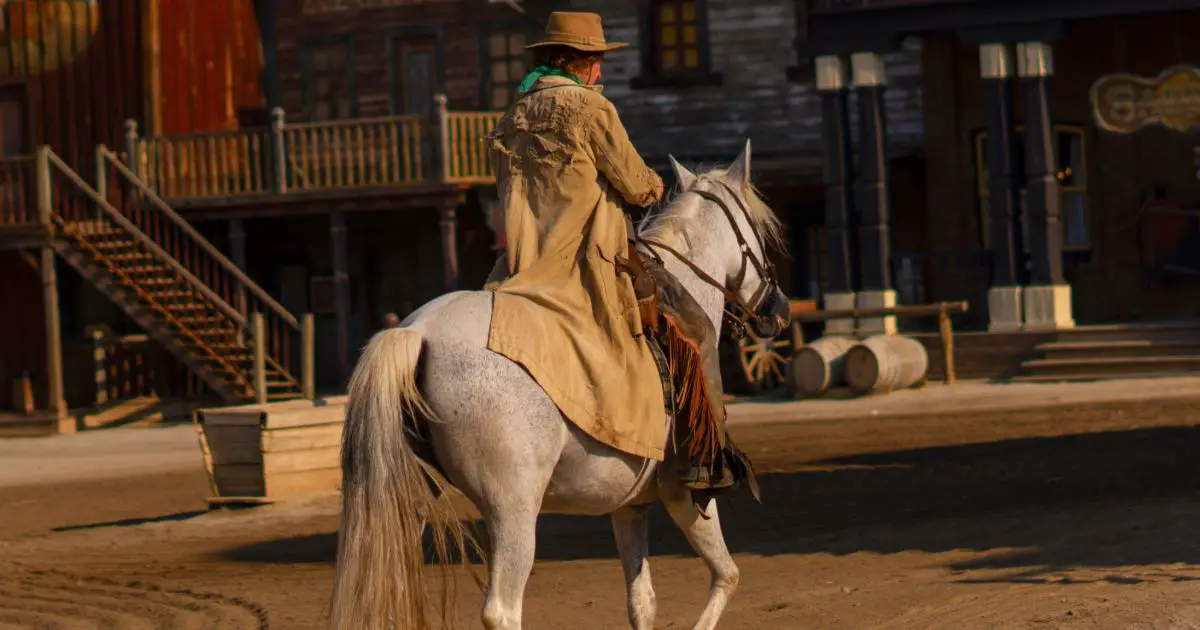
Here is the puzzle as it usually circulates: a man rides into town on Friday, stays for three days, and rides out again on Friday. Some versions swap the man for a cowboy. Other versions change the character, the length of the stay, or even the day named, but the core trick remains that the apparent weekday can actually be the horse’s name.
The wording encourages readers to start counting the days. Friday, then Saturday, Sunday, Monday, and already the sum refuses to close. You cannot leave on Friday after a three-day stay that began on Friday, not if Friday means the day of the week. That contradiction is exactly what makes the riddle feel airtight and unsolvable. The sentence seems to create a calendar contradiction, which can make readers look for an error in the timing rather than question the meaning of “Friday.”
Why “Friday” Isn’t a Day Here
The solution is quiet and a little cheeky. Friday is the name of the horse. The man rode into town on Friday, his horse, stayed three days, and rode out again on the same horse. No calendar is involved at all. The days of the week never entered the actual sentence, only your reading of it.
Re-read the line with that in mind and it clicks instantly. “Rode into town on Friday” is the same grammar as “rode into town on a gray mare.” The word was doing a second job the whole time. So why is it easy to miss? The wording naturally encourages a day-of-week interpretation because “Friday” usually refers to a weekday, while the travel context reinforces that reading. A man riding into town sounds like a travel schedule, so the brain supplies a schedule to match. The proper noun hides inside a sentence built to look like a timetable.
The Three-Day Detail Is a Decoy
The “three days” detail works as a decoy because it encourages readers to start counting days instead of questioning what “Friday” means. The number invites you to do arithmetic, and the arithmetic can never resolve, which keeps your attention locked on the calendar while the real answer sits in plain view. You end up checking and rechecking the days of the week, certain the trick is buried in the counting.
It isn’t. The stay length is pure misdirection, a classic feature of a good lateral-thinking riddle rather than a logic one. The harder you work the math, the better the horse stays hidden. Change the three to a five and nothing improves, because the problem was never the number.
Why the Riddle Is So Easy to Misread
Here is the genuinely interesting part. The riddle works because readers are strongly encouraged to interpret “Friday” as the day of the week before considering that it could also be a name. Once that first interpretation takes hold, the calendar contradiction can distract from the alternative meaning.
That flexibility is the whole skill a puzzle like this tests. The same slippery logic drives other wordplay favorites, from a tricky London Bridge riddle to the woman in a boat puzzle, both of which hinge on a word doing a second job. The exact origin of the Friday riddle is unclear, but it appeared in the 1994 film “Little Big League” and was later featured in a 2009 episode of “iCarly”; USC’s Digital Folklore Archives also document American versions shared among children and families.
So the way to beat it is small and repeatable. When a sentence seems to break a basic rule of the world, stop solving the rule and start questioning the words. Ask whether one of them, probably the one everyone reads the same way, might mean something else entirely. The word “rode” is the more useful clue, since it leaves open the possibility that Friday is the name of the horse carrying the man.