Why a Dollar Is Called a Buck

October 7, 2026
source: Pexels
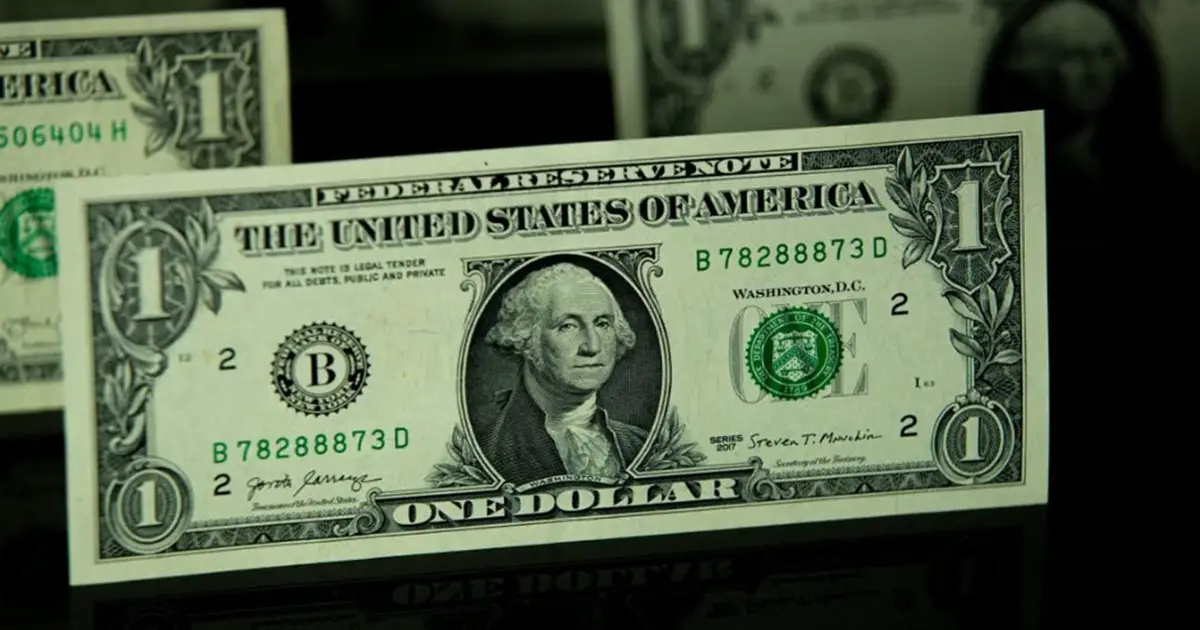
Nobody blinks when a dollar is called a buck, but the word has almost nothing to do with money and almost everything to do with a deer. People hand over twenty bucks for lunch or complain that gas costs a few bucks more than last week. Yet, they never once picture an animal. Yet the nickname is older than the paper dollar most people carry around, and its trail runs back to a frontier where the thing changing hands was not printed at all. In fact, it had fur on it.
The short version is that the word came off the counter before it landed on the currency.
Why a Dollar Is Called a Buck Comes Back to Deerskin
On the American frontier, long before a standardized national currency was something people could rely on, deer hides did a lot of the work that coins do now. A tanned deerskin was portable, durable, and easy to value. Traders knew roughly what one was worth, and so did the Native American partners who supplied many of them. That shared understanding mattered more than any official mint. This was especially true when settlements were scattered and hard money was scarce.
The hides were talked about as “bucks,” a plain shorthand for the animal they came from. A pile of buckskins was a pile of value you could carry on your back or stack on a trading post shelf. In a barter economy stitched together across colonial America, a good hide functioned as a unit of exchange in its own right. Thus, everyone at the table could agree on its value without needing to trust a distant government’s coin.
From a Hide on the Counter to a Word for Cash
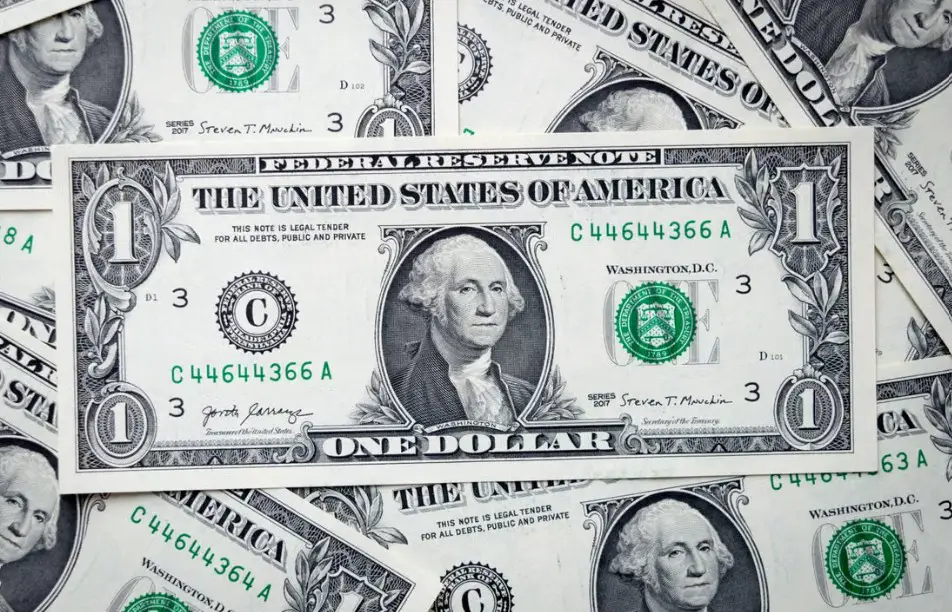
The leap from hide to dollar happened the way these shifts usually do, quietly and by habit. As coins and, later, the standardized dollar spread across the country, people already had a word for “about this much value.” Something worth a buckskin and something worth a dollar started landing in the same conversational slot. Therefore, if you say a thing was worth a buck, the meaning drifted from the hide toward the money.
Once the two ideas overlapped, the shorter word simply outlasted the object behind it. Nobody was carrying deer hides into town for groceries anymore, but the term stuck to the cash that replaced them. A dollar became a buck, and the animal quietly dropped out of the picture. Moreover, the same instinct still shows up whenever informal money-value language slips into everyday talk, the same way certain small objects can quietly turn into figurines fetching serious money without anyone updating their vocabulary to match.
The Parts Nobody Can Pin Down
This is the point where the confident story gets honest about its edges. The deerskin origin is the widely accepted explanation, well attested in language references, but plenty of the specifics stay slippery. The idea that one hide equaled exactly one dollar at a fixed rate does not really hold up. This is because value swung with region, season, and the quality of the skin. A large, well-tanned hide was not worth what a scrappy one was.
The timeline is fuzzy too. Records point to “buck” being used for trade value on the frontier in the mid-1700s, while the clearest printed use of the word meaning an actual dollar shows up roughly a century later. Which of those counts as the “first” depends on what is being counted. For example, is it the hide as currency or the slang for cash? The origin itself is solid; the fine print is still argued over.
So the next handful of loose bucks rattling in a pocket carries a stranger history than the number printed on them. Each one is a faint echo of deer hides drying on a frontier trading post. These hides were valued by traders and their partners long before a dollar bill existed to inherit the name.