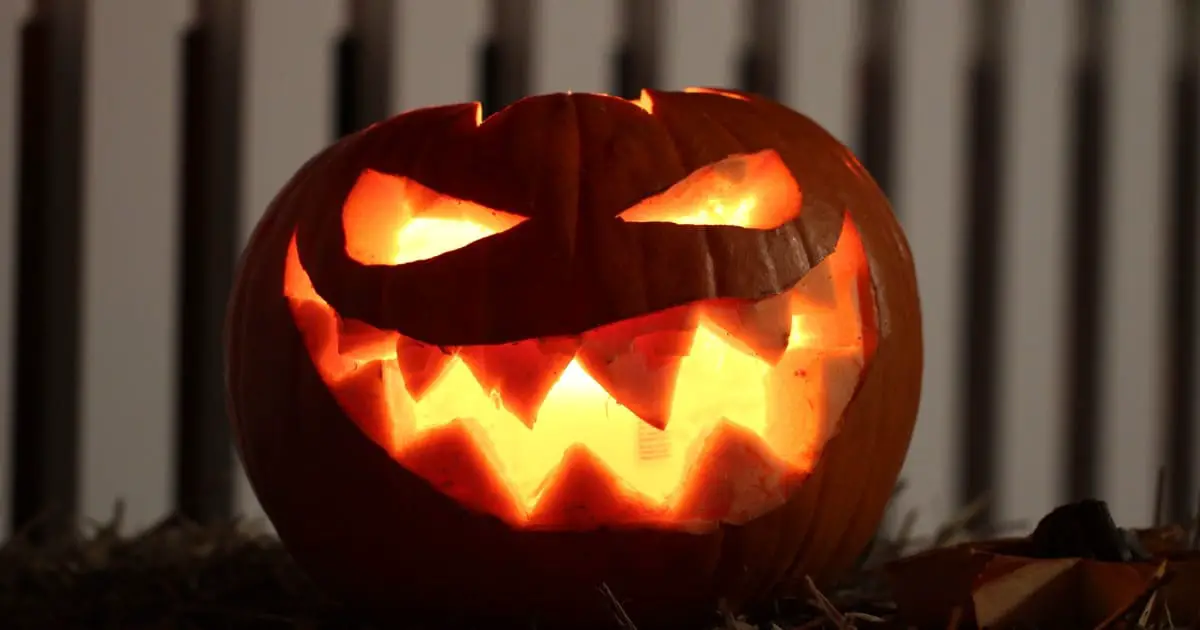
Jack-o’-lanterns feel about as American as a porch swing, but people in Ireland and the British Isles carved and lit turnips long before anyone used a pumpkin. If you ever set a glowing pumpkin on your front step, you took part in a tradition. It started with a root vegetable and a grim little folktale. The pumpkin is a newcomer. The real story runs back centuries, and across an ocean.
So how did a hollowed turnip in a cottage window become the grinning squash on every American porch? It comes down to a stingy man, a crop that grew well in new soil, and a habit people never quite gave up.
The Turnip Came First
Before pumpkins entered the picture, people in Ireland and parts of Britain carved faces into turnips, beets and other large root vegetables. They hollowed out the insides, cut ghoulish features into the skin, and lit them with a glowing ember or small candle. The results were not cute. A carved turnip lit from within looks genuinely unsettling, which was rather the point.
These little lanterns were set in windows and doorways, or carried along dark lanes. Many people believed the flickering faces could ward off wandering spirits and unwelcome visitors. On that night, the line between the living and the dead felt thin. The object had a job to do. It was protection, not decoration.
The Legend of Stingy Jack
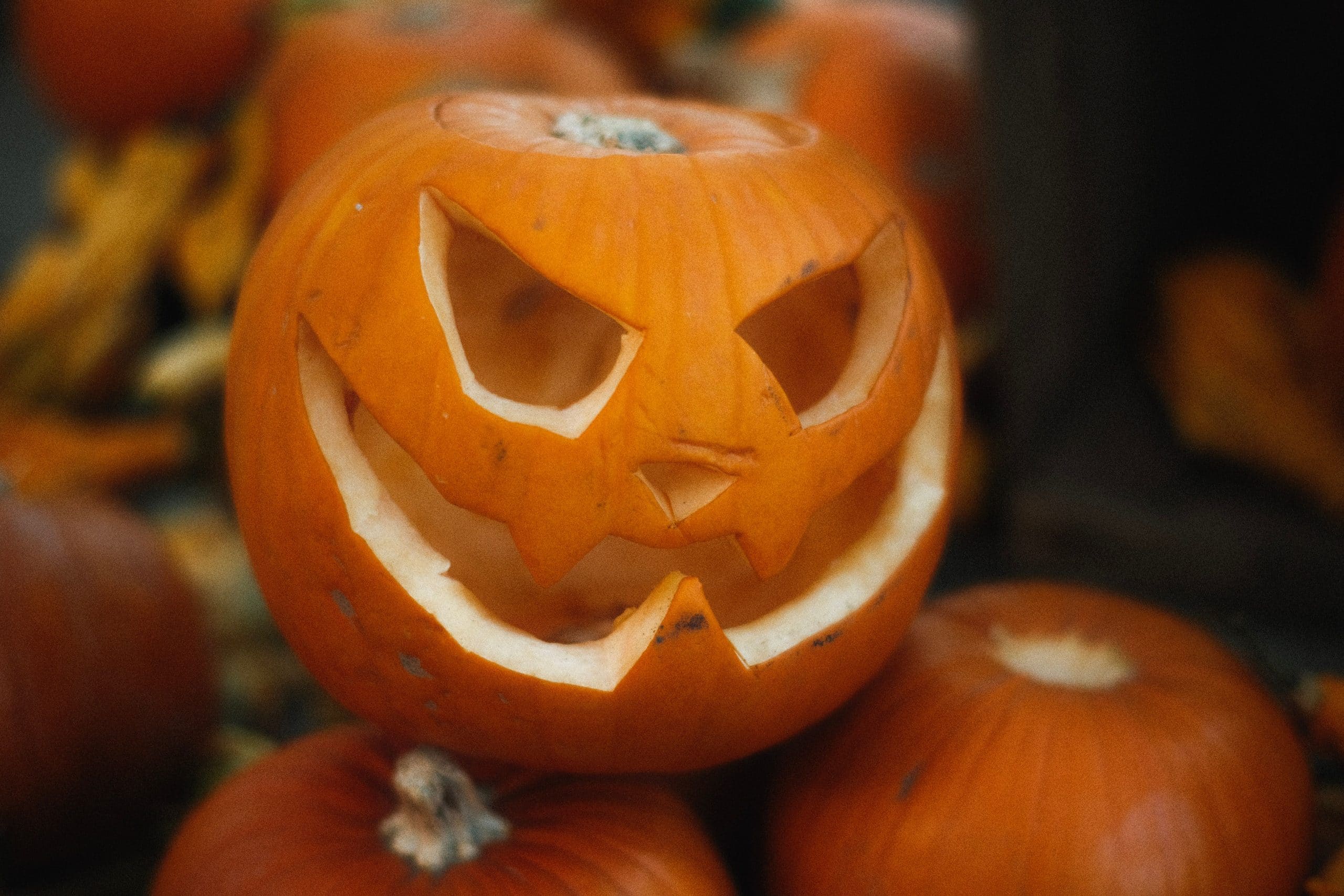
The lanterns took their name from a figure in Irish folklore called Stingy Jack. As the tale goes, Jack was a clever, miserly man. He tricked the Devil more than once. He trapped the Devil once and only freed him after the Devil agreed never to claim his soul.
It worked a little too well. When Jack died, heaven would not take him because of his mean and deceitful life. Hell would not take him either, because the Devil had promised to leave his soul alone. Jack was left to wander the dark with nothing but a burning coal to light his way. He placed the coal inside a hollowed-out turnip. He has roamed ever since as “Jack of the lantern,” a name shortened over time to jack-o’-lantern.
There is no fixed date for when this story first took hold. Folklore rarely leaves a clean paper trail. People passed around versions of the tale by word of mouth for generations before anyone wrote them down. Sources place it loosely around the 18th century, but the honest answer is that nobody can point to a first telling.
How the Pumpkin Took Over Jack-o’-Lanterns
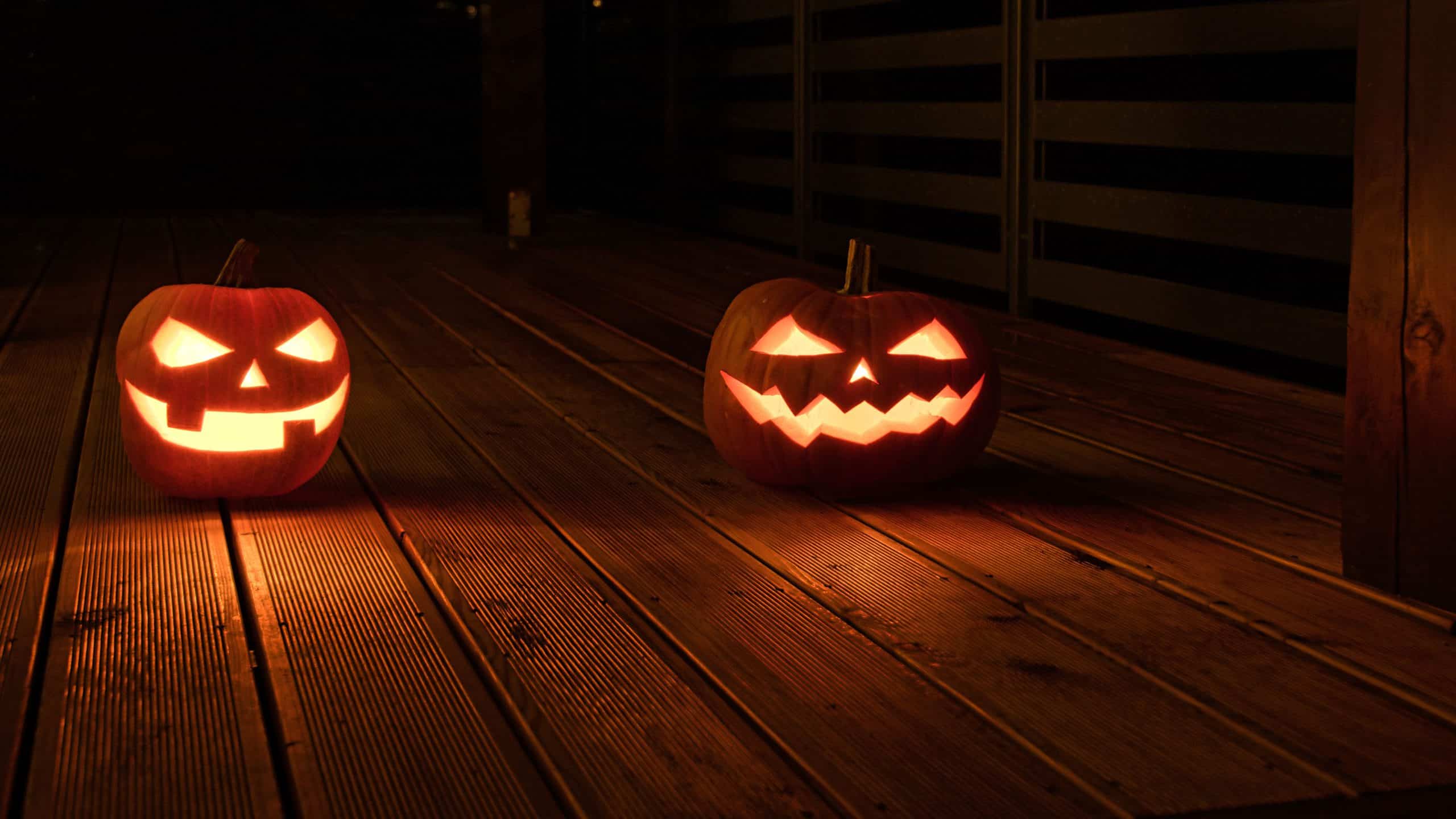
The pumpkin’s rise is a story of immigration and good luck with crops. Pumpkins are a New World plant, introduced to Europeans from the early 1500s, and they were plentiful across North America. When Irish and other Celtic-influenced immigrants arrived in large numbers, they brought the lantern tradition with them.
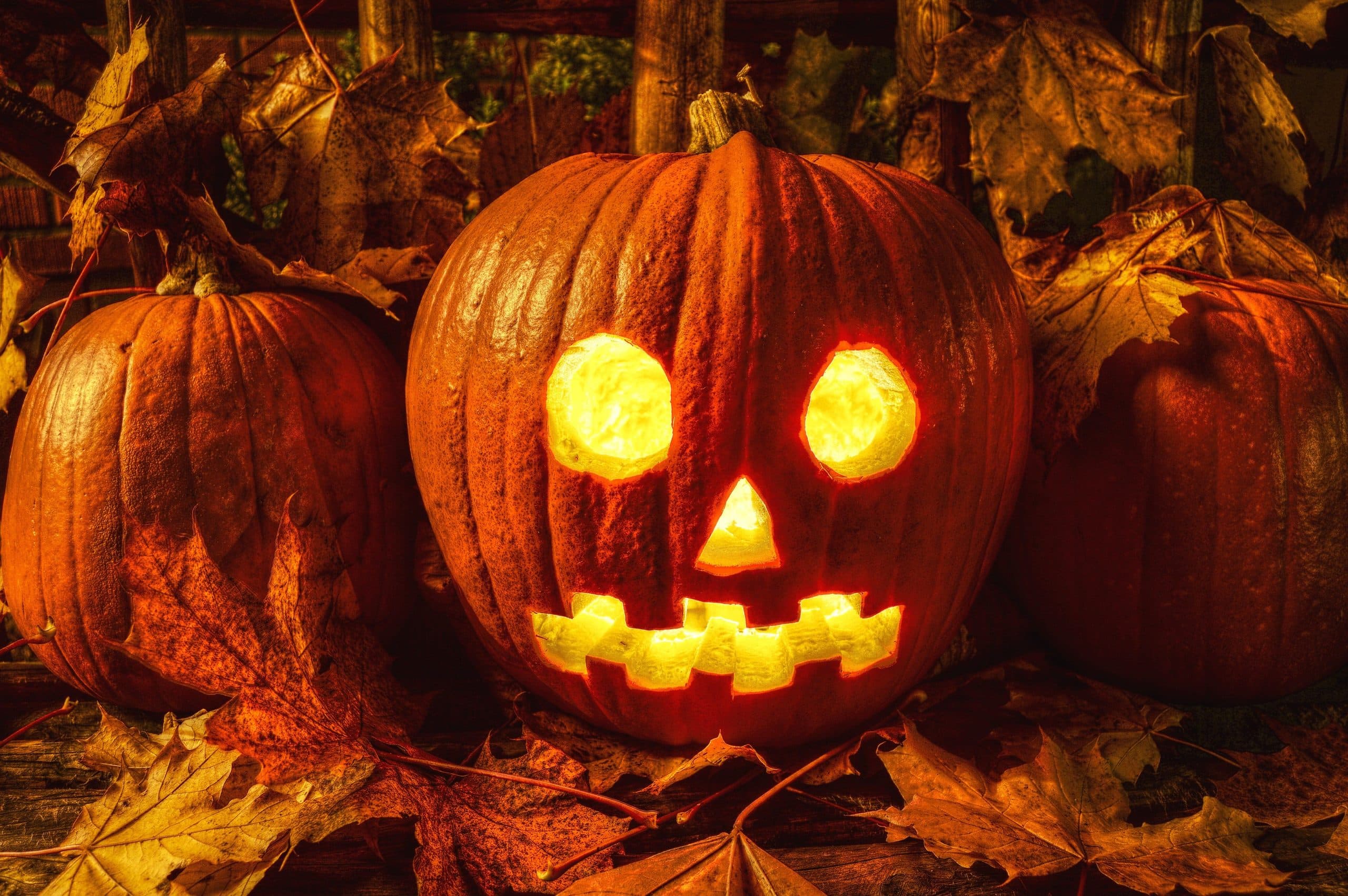
What they found was a vegetable that suited the custom even better than a turnip. Pumpkins were larger, with soft flesh that was far easier to hollow and carve, and there were plenty of them come autumn. The switch made practical sense, and it stuck. Within a few generations, the pumpkin jack-o’-lantern became the standard image of American Halloween. The humble turnip faded out of the picture almost entirely.
Why the Faces Still Glow
The tradition traces back to Samhain, the Celtic festival marking the end of harvest, which later overlapped with All Hallows’ Eve. What began as a way to keep spirits at bay slowly became something lighter. It turned into a seasonal craft, a porch decoration, and a signal that a house welcomes trick-or-treaters.
The glowing face is not the only Halloween symbol with a meaning most people never learn. If you have ever wondered about what a blue bucket or a teal pumpkin really means, the answers tend to be just as specific as this one.
Here is the quiet thing worth noticing. The pumpkin flickering on your step tonight does the same job a carved turnip did. Centuries ago, that turnip sat in an Irish window and held a wandering soul at a safe distance. The vegetable changed. The reason for the light never really did.