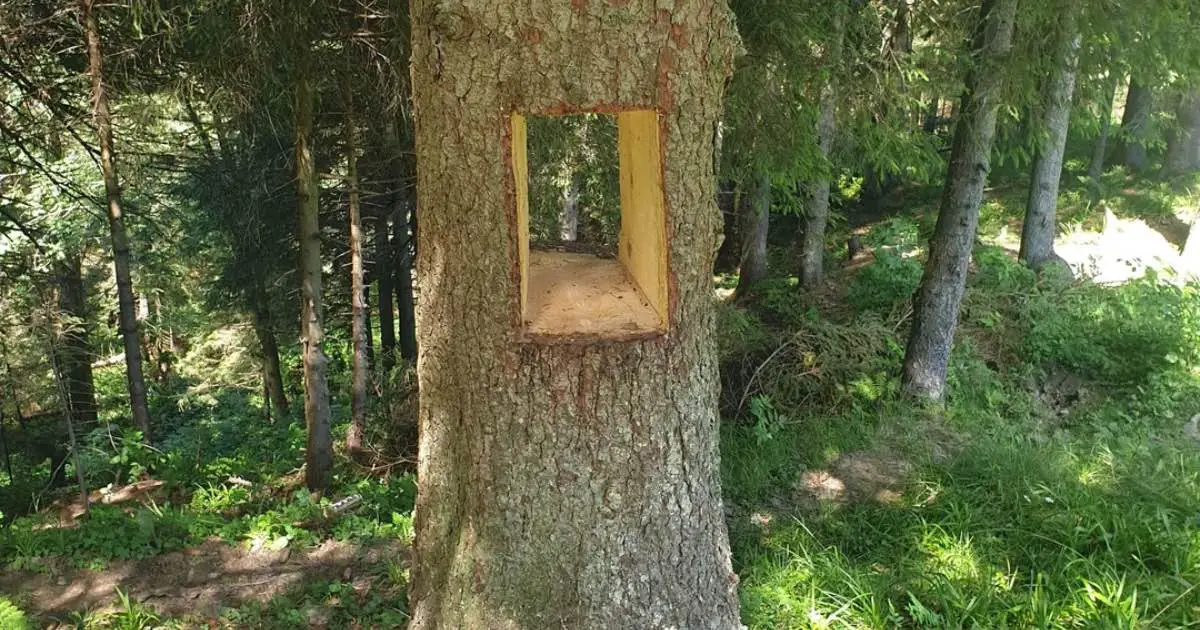
Tree veteranization is a conservation technique in which qualified arborists deliberately create wounds, cavities, or deadwood features in carefully selected younger trees to encourage habitats normally associated with much older trees. At first glance, a deliberately carved opening in a tree might look like vandalism. In some cases, however, it is part of a planned conservation project intended to create habitat for wildlife. To understand why conservationists use this technique, it helps to know what older trees provide for wildlife and why these specialized habitats have become increasingly scarce.
What Tree Veteranization Actually Means
The practice means creating the features of a very old tree inside a much younger one. Rot holes, hollow trunks, cracked limbs, broken branch stubs, patches of standing deadwood still attached to a living stem. In an untouched forest, these features develop gradually. As trees age, some branches may break and sections of wood may begin to decay, even while the rest of the tree continues to grow.
Conservation arboriculture treats those features as habitat rather than damage. A hollow is not a flaw to be repaired; it is a home. So practitioners reproduce them early. They use controlled cuts and wounds that mimic what storms, lightning and fungi would eventually do. The goal is to keep the tree alive while encouraging the development of cavities and decaying wood. However, the interventions can weaken a tree or shorten its lifespan, which is why careful planning and professional assessment are essential.
Why Anyone Would Wound a Living Tree on Purpose
Here is the problem veteranization is built to solve. Some valuable features, particularly the large hollows found in old oak trees, can take around 200 years to develop naturally. Other cavities and deadwood habitats may form much sooner, depending on the tree species and environmental conditions. Ancient trees have become scarce in many managed landscapes, and there are often too few younger trees approaching maturity to provide the same specialized habitats as the oldest trees disappear.
That opens a gap decades or even centuries wide. New cavities and deadwood habitats can develop earlier through broken branches, storms, fungal decay, or other natural processes. However, the complex hollows and decaying wood found in ancient oaks often take generations to form, creating a challenge for wildlife that depends on those specialized habitats. Veteranization aims to help bridge that habitat gap. A 2012 conference paper titled Veteranisation of Oak – Managing Trees to Speed Up Habitat Production described the approach and outlined research into how different treatments could encourage habitat development. More recent studies have provided evidence that artificially created wounds and cavities can attract deadwood-dependent beetles. Instead of waiting out the centuries, you give a middle-aged tree a head start.
The Creatures That Move In
So what are the holes and the deadwood actually for? A surprising amount of woodland life depends on wood that is dying or already dead. Saproxylic beetles depend on dead, dying, wounded, or decaying wood, or associated organisms, during at least part of their life cycle. Some species rely on specialized habitats found in older trees, while others can use damaged or decaying wood in younger trees.
A hollow trunk works like an apartment block. Bats roost in the cavities. Birds nest in the cracks and broken limbs. Decaying heartwood feeds insects, which feed the birds, which bring in more life still. Healthy young trees already provide food, shelter, and nesting opportunities for many organisms. What they often lack are the large hollows, extensive decaying wood, and specialized microhabitats that make veteran trees especially valuable to certain species. The deliberate damage, in other words, can create specialized habitats that a younger tree might otherwise take decades or centuries to develop.
From Experiment to Accepted Technique
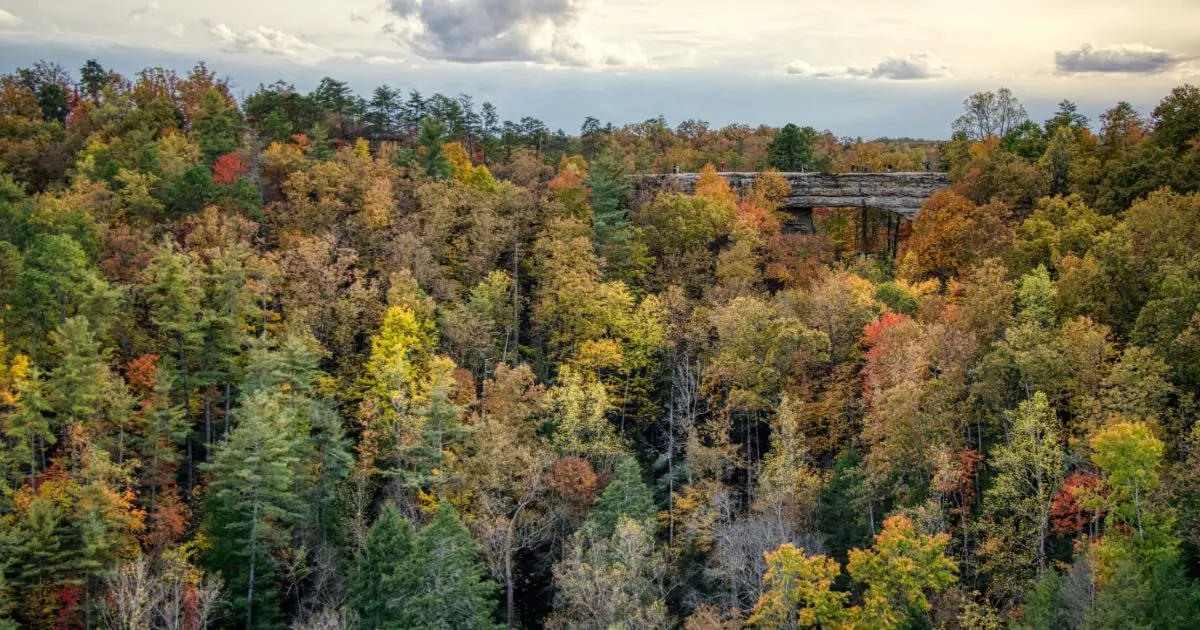
Veteranization has developed into a recognized conservation technique, building on long-established tree-management practices such as pollarding. Modern experimental approaches have been used since at least the 1990s, and the technique is now included in official conservation guidance. Researchers continue to investigate which interventions provide the greatest benefits for wildlife.
It still looks wrong to a passerby. Someone walking through a reserve sees a worker cutting a deep gouge into a healthy oak. They read it as destruction, not care. That gap between appearance and effect explains why the practice seems so counterintuitive, even to conservation experts.
The next healthy-looking tree you pass in a nature reserve may have a strange fresh wound, a sawn-off limb or a deliberate-seeming hollow. It may not be storm damage or vandalism at all. It may be a hundred-year head start, handed to a tree on purpose. There is something quietly odd about the whole effort, too. The people doing this work are building habitat on a timescale that outruns their own lives. The goal isn’t to turn a young tree into an ancient one overnight. It’s to encourage some of the valuable habitats that would otherwise take generations to appear, giving wildlife a better chance while the remaining ancient trees continue to age.