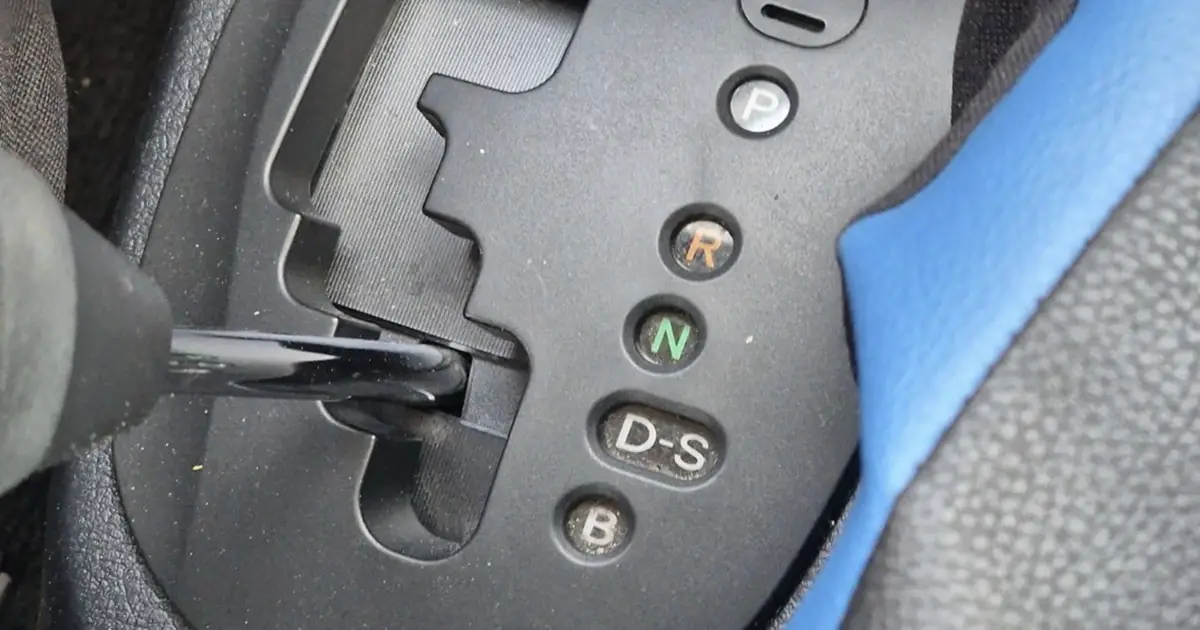
The B on an automatic gear shift sits right below D, and plenty of drivers go years without ever touching it or knowing why it’s there. It isn’t a glitch. It isn’t a spare version of Park. And it certainly isn’t a typo on the selector. It’s a working position with a specific job, one that only makes sense once you know the kind of driving it was built for. Most of the time you’ll never need it. On the right road, though, you’ll be glad it exists.
The B on an Automatic Gear Shift Stands for Brake
The plain answer first: B means Brake. Not the foot brake you already know, but a mode that lets the car slow itself using the drivetrain instead of the brake pads. Shift into B and the transmission holds a lower gear, so the engine or motor adds resistance and helps hold your speed down.
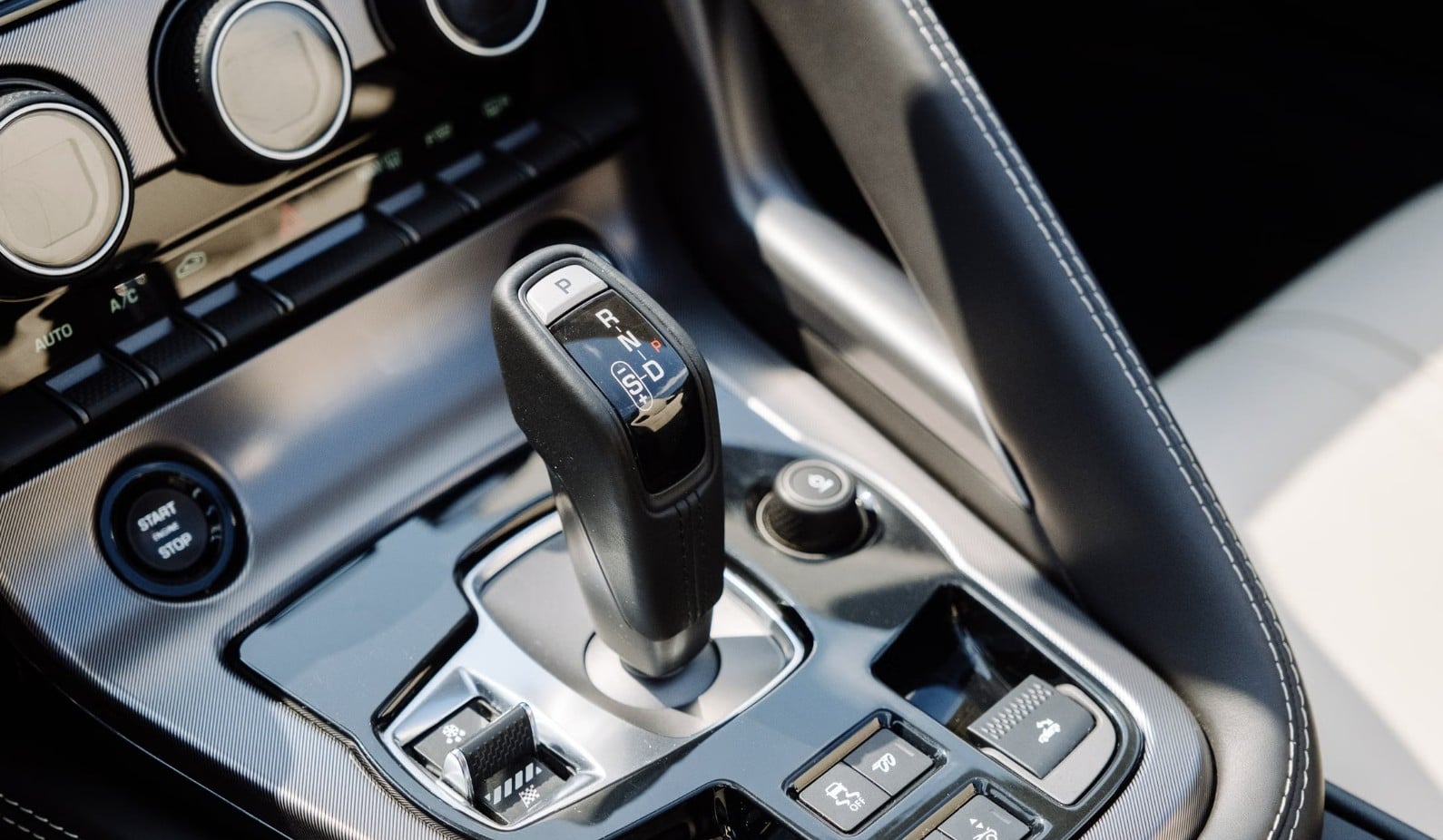
You’ll find B mostly on hybrids, electric cars and vehicles with a CVT, rather than on older conventional automatics. Those older boxes handled the same job with an L for Low, or numbered gears like 2 and 1. The exact behavior varies by manufacturer, so one carmaker’s B won’t feel identical to another’s. The idea behind it, though, stays the same across the board.
What Changes When You Shift Into B
Here is the mechanism. In a hybrid, B mode uses regenerative braking and, when needed, engine braking to slow the car. The electric motor acts as a generator, helping slow the vehicle while sending energy back to the battery. The gasoline engine can also spin without being fed fuel, creating additional drag when more braking is needed. It’s worth knowing that B isn’t actually the greedy energy-recovery mode some people assume, normal braking in D often feeds more back into the battery than B does.
The Toyota Prius is the car that made this letter familiar to ordinary drivers. On a hybrid selector, B increases the braking effect through regenerative braking and, when needed, engine braking, so you feel the car hold back on its own. If you’ve ever puzzled over a marking on your dashboard the way you might wonder what the grid of lines on your backup camera means, B belongs in that same category of features hiding in plain sight.
When You’d Actually Want to Use It
The real case for B is the long descent. Think mountain passes, steep grades, winding roads that drop for miles, or days when you’re towing something heavy downhill. In those moments B earns its spot on the shifter.
Here’s why it matters. Ride the foot brake down a long hill and heat wears brakes out and fades their bite when you need it most. Shift into B and the drivetrain shoulders much of the slowing, so your brakes stay cooler and last longer. You still steer and still have the pedal for anything sudden. The car just stops running away from you on the gradient, which is a calmer way to come down a mountain than nursing the pedal and hoping.
When to Leave B Alone
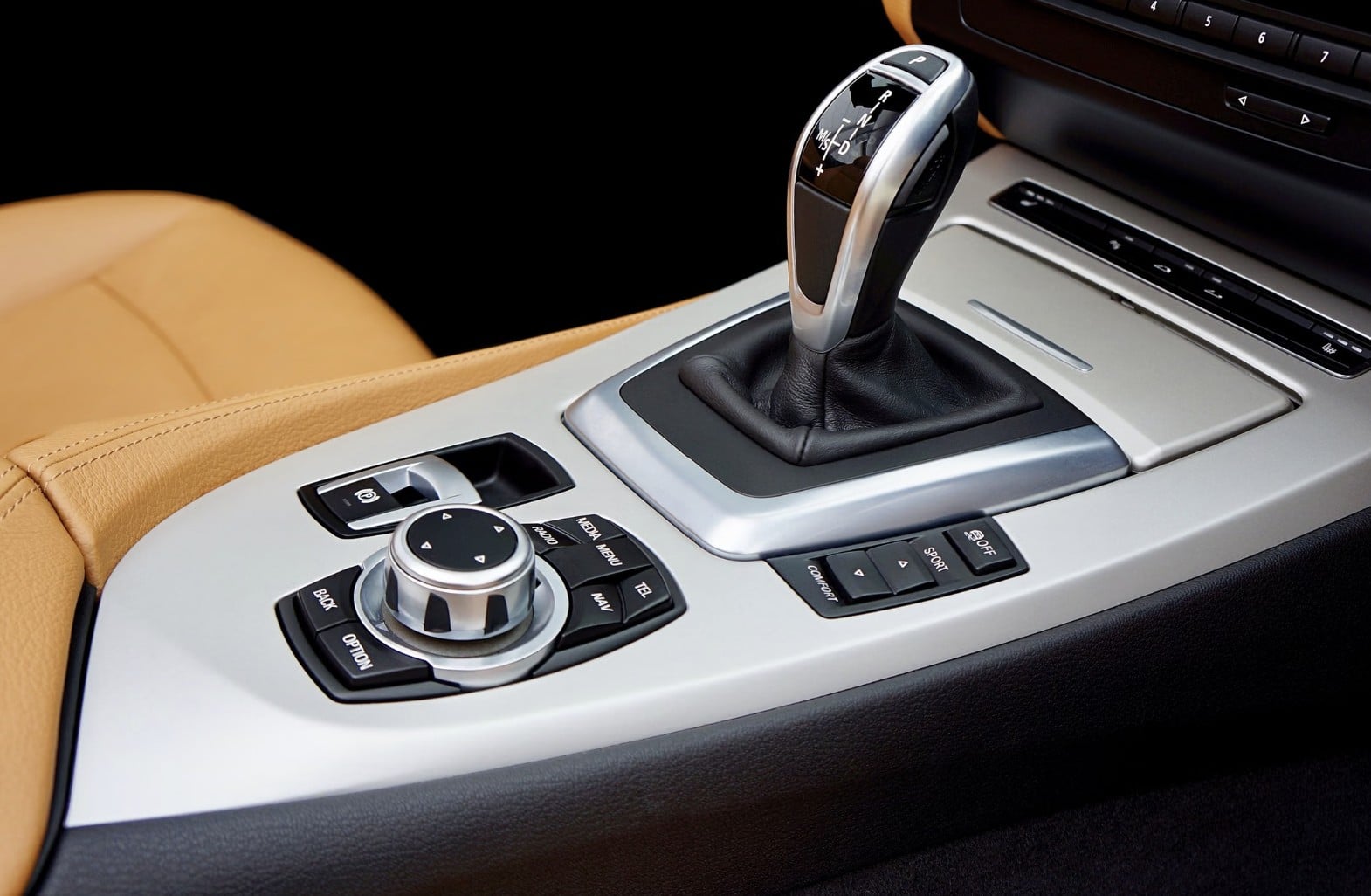
B is not an everyday setting. On flat roads, in town or cruising the highway, leave the car in D and forget B is there. Driving in B when you don’t need it hurts fuel economy and makes the car feel like it’s dragging against you.
So treat it as a tool, not a default. D handles almost everything you’ll ever do behind the wheel. B is the one you reach for when the road tips downhill and stays that way.
Next time you’re parked, glance down at your own selector and see whether a B sits quietly under the D. If it does, you now know it’s there for the hills, a bit of built-in help for the steep stuff, rather than a mystery button to avoid.